
Google Maps’ Fan-Favorite Dining List makes reviews matter more
Google is turning diner behavior, review language and direction requests into a new restaurant discovery surface. Here is what owners should fix now.
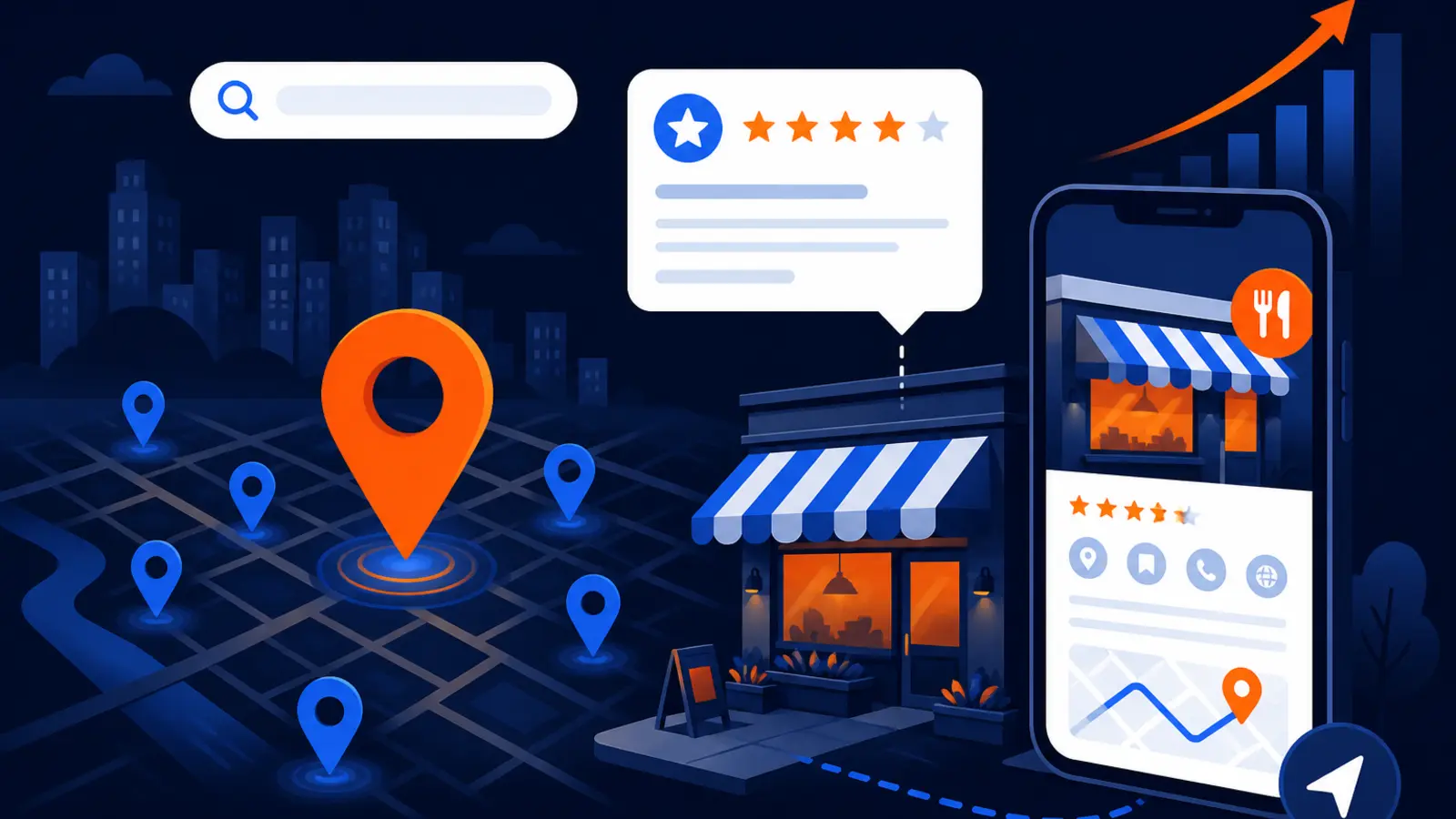
What changed in Google Maps
On October 8, Google Maps released its first Fan-Favorite Dining List, a restaurant discovery feature built from Maps reviews, ratings and aggregated direction searches across 10 cities. Google announced the list in its post, Google Maps reveals the top food trends and popular restaurants across 10 cities, and framed it around what diners are actually saying, rating and navigating to inside Maps.
This hits restaurants, cafes, bakeries, bars, food trucks and any local food business that depends on nearby diners. The important change is not only that Google published a dining list. It is that Google is packaging customer language and user behavior into a curated guide, not just using those signals behind the traditional Map Pack.
Why this is a money issue for restaurants
A restaurant owner already knows that Google Maps can drive calls, website clicks and walk-ins. This update adds another reason to care: the same public profile, review base and diner behavior may now influence whether the business appears in Google-made dining discovery content.
Android Authority described the launch as Google Maps launching its own take on the Michelin Guide, with everyday users as the star. That wording is useful because it shows the shift. Diners are not only searching for pizza near me or brunch nearby. Google is trying to turn accumulated diner activity into a guide people can browse before they search by name.
For a local restaurant, that means the basics are no longer just basics. They are the raw material Google can use when it decides what is popular, relevant, budget-friendly or trending in a city. The owner-level takeaway is simple: if your profile is incomplete, your review language is thin and your photos are stale, you are giving Google less to work with.
What signals are showing up in this new surface
Google said the Fan-Favorite Dining List uses Maps reviews, ratings and aggregated direction searches. That does not mean restaurant owners can force their way onto a list. It does mean the ingredients are visible enough that owners can audit them this week.
Think of these as the public-facing signals a diner and Google can both understand:
- ▸Reviews that mention specific dishes, dietary needs, atmosphere and service
- ▸Ratings that show consistent customer satisfaction
- ▸Direction requests that suggest real-world interest and visits
- ▸Menu and category details that help Google understand what you serve
- ▸Photos that make the food, space and experience easy to recognize
The review words matter, not just the star rating
For years, many owners treated reviews like a scoreboard. More stars were good, fewer stars were bad and the rest was noise. This update is a reminder that review text itself matters because diners describe what they loved in plain language.
Axios Seattle covered the local angle in Seattle diners are having a dosa moment, pointing to how Maps review trends can surface what people are talking about in a city. That is the key idea for owners. Google can see patterns in the words customers use, such as dosa, birria, patio, vegan options, late-night, kid-friendly or date night.
The right response is not to script customers or pressure them. It is to make it easier for happy customers to leave useful, honest detail. A review that says great place is nice. A review that says the masala dosa was crisp, the staff helped with gluten-free options and parking was easy gives both diners and Google more context.
Five things to check on your profile this week
This is the numbered-style checklist most restaurant owners should run before spending money on ads or a new website. You do not need to be technical. Open your Google Business Profile, look at it like a hungry customer and fix the gaps that would make someone choose a competitor.
Check these items first:
- ▸Your primary category matches the business customers are actually looking for
- ▸Your secondary categories cover real services, such as cafe, breakfast restaurant or catering, when accurate
- ▸Your menu link works and matches what people can order now
- ▸Your hours, holiday hours and kitchen hours are current
- ▸Your photos show current food, seating, exterior signage and the ordering experience
Direction requests are a real-world demand signal
Google specifically mentioned aggregated direction searches as part of the Fan-Favorite Dining List. That matters because a direction request is different from a passive impression. It usually means someone is considering a visit, meeting someone there or checking how hard it is to get to you.
Owners cannot and should not fake direction demand. What they can do is remove friction that keeps diners from choosing the restaurant. If a profile has the wrong pin, unclear parking information, outdated hours or no exterior photo, some diners will move on before requesting directions.
Here are practical ways to make direction requests more likely by making visits easier:
- ▸Confirm the map pin lands at the real entrance or the correct building
- ▸Add exterior photos that show signage from the street or parking lot
- ▸Mention parking, pickup, reservations or entrance details where appropriate
- ▸Keep holiday hours current before major dining weekends
- ▸Make sure the address is consistent on your website, menu platforms and social profiles
Google still uses relevance, distance and prominence
This dining list does not replace local SEO fundamentals. Google’s local ranking factors are relevance, distance and prominence. Restaurant owners should understand those in plain English.
Relevance is how well your profile matches what the diner wants. Distance is how close you are to the searcher or selected area. Prominence is how well-known and trusted the business appears across Google and the web.
The Fan-Favorite Dining List sits next to those fundamentals rather than outside them. Complete categories, useful menu details, strong reviews, fresh photos and clear location data all help Google understand the business better. They also help diners decide faster.
What to do about it this week
If you own or manage a restaurant, do not wait for Google to expand or repeat this list before cleaning up your presence. The right work is useful whether you make a curated list or not, because it improves how diners see you in Maps today.
Start with owner-controlled fixes, then move into review and reputation habits. The goal is not to chase one feature. The goal is to make the business easier for Google to understand and easier for diners to choose.
Take these actions this week:
- ▸Audit your Google Business Profile on mobile, not only from a desktop login
- ▸Update your menu, hours, attributes, reservation links and ordering links
- ▸Upload a small batch of current photos that show best-selling items and the room
- ▸Ask recent happy customers for honest reviews that mention what they ordered or liked
- ▸Reply to reviews with natural detail, not copied-and-pasted thank-you notes
- ▸Track which searches and areas are bringing Map visibility so you know where you are weak
Do not turn review strategy into review manipulation
The wrong lesson from this news is to stuff keywords into responses or coach customers to repeat phrases. That can make your review profile look unnatural, and it misses the point. Real diners use varied language. That variety is valuable.
A better approach is to build review prompts around the actual experience. Train staff to ask at the right moment, such as after a compliment, a successful catering order or a positive table visit. Keep the request simple and honest.
Safe review habits look like this:
- ▸Ask every happy customer in the same low-pressure way
- ▸Never offer discounts, gifts or freebies for a positive review
- ▸Do not tell customers which words to use
- ▸Respond to negative reviews calmly and specifically
- ▸Use review themes to improve operations, menus and service
Questions to ask an SEO or reputation provider
If you are shopping for local SEO help because of this update, be careful with anyone who only talks about posting generic updates to your profile. Google’s new list points toward a broader system: profile completeness, category accuracy, menu relevance, photo quality, review velocity and the language customers naturally use.
You should expect a provider to explain what they will change, how they will measure Map visibility and how they will keep the work compliant. Ask practical questions before you sign anything.
Use these questions in your next sales call:
- ▸How will you audit my Google Business Profile categories, services, menu and attributes
- ▸How will you help us earn more detailed reviews without violating Google policies
- ▸How will you improve photo quality and posting consistency
- ▸How will you track visibility outside the area right next to the restaurant
- ▸How will you connect review themes to menu, service and profile updates
- ▸What work will be done each month beyond generic posts
Should restaurant owners invest now
Yes, if local diners matter to your revenue. This update is another sign that Google Maps is becoming more than a map and a search box. It is becoming a dining discovery layer built from what people say, rate and do.
That does not mean every restaurant needs an expensive campaign tomorrow. It does mean every restaurant should treat its Google Business Profile and reviews as core assets, not side chores. The restaurants with clean profiles, helpful photos and detailed customer reviews are better positioned for both traditional Map Pack visibility and new discovery surfaces.
If your profile has not been seriously updated in months, start now. If your reviews are steady but vague, improve how and when you ask. If you do not know where you show up across your market, get that measured before guessing.
How Digital Domination can help you decide
At Digital Domination, we look at this news from the perspective of a Las Vegas local SEO agency that serves local service businesses nationally, including food-service businesses that depend on Google Maps visibility. The decision is not whether to chase one Google list. The decision is whether your Google Business Profile, reviews and local visibility are strong enough for how diners now discover places to eat.
If you want to see what proper Google Business Profile SEO work includes, visit digitaldomination.ai/google-business-profile-seo/. That page explains the service, the profile areas that get optimized and how local visibility work is approached for businesses that need more calls, clicks and visits from Google Maps.
If you want to see where you stand first, start with the free GeoGrid scan at digitaldomination.ai/scan/.
Keep reading
Related guides
- ▸What Are the Best Rankings.io Alternatives for a Law Firm?
- ▸Real estate agent local SEO
- ▸Restaurant local SEO
Put it into action
Frequently Asked Questions
What is Google Maps’ Fan-Favorite Dining List
It is a Google Maps dining discovery list released on October 8. Google said it is built from Maps reviews, ratings and aggregated direction searches across 10 cities. It highlights food trends, popular restaurants and budget-friendly favorites.
Does this change Google Map Pack rankings for restaurants
Google did not say this replaces or directly changes the traditional Map Pack. The Map Pack still depends on relevance, distance and prominence. The bigger point is that the same profile, review and diner behavior signals can now feed a separate Google-curated discovery experience.
Should I update my Google Business Profile because of this dining list
Yes. Make sure your categories, menu, hours, photos, address, ordering links and reservation links are accurate. These details help diners choose you and help Google understand when your restaurant is relevant.
How do reviews help restaurants show up in Google Maps
Reviews help through both quality and detail. Strong ratings show customer satisfaction, while review text explains what people like, such as dishes, service, atmosphere, parking or dietary options. That language can make your business easier to understand for diners and Google.
Can I ask customers to mention specific dishes in reviews
You should not script reviews or tell customers what to write. You can ask for an honest review and invite them to share what they ordered or what they liked. Keep the request natural and never offer a reward for a positive review.
Do direction requests matter for restaurant SEO
Google said aggregated direction searches were part of the Fan-Favorite Dining List. That suggests real-world interest can matter in discovery surfaces. You cannot fake that, but you can make visits easier with accurate pins, current hours, exterior photos and clear parking or entrance details.
What should I ask a local SEO company after this Google Maps update
Ask how they will improve your Google Business Profile completeness, category relevance, menu accuracy, photos, review velocity and review-language strategy. Also ask how they measure Maps visibility across your real service area or dining market. Avoid providers that only offer generic profile posts.
Is this only important for restaurants in the 10 listed cities
The first Fan-Favorite Dining List covered 10 cities, according to Google. Even if your city was not included, the message still matters. Google is showing that reviews, ratings and direction demand can be turned into dining discovery content, so the same cleanup work is worth doing now.
Ready to dominate your map?
Top 3 in the Google Map Pack in 12 weeks, or you don't pay.