
Google’s AI-training control turns robots.txt into an AI SEO buying question
The new Google-backed robots.txt signal is not a local ranking update, but it can affect whether your site is even eligible for some AI visibility opportunities.

What changed and who it hits
On October 30, 2026, Google announced plans to support a shared AI-training preference signal in robots.txt. The announcement, Supporting a shared AI training control for websites on the Google Search Central Blog, says the signal is based on the IETF AIPREF work, so websites can express AI-training preferences for multiple providers in one place instead of managing only company-by-company controls.
Google also updated its crawler documentation, Google’s common crawlers on Google for Developers, to say it intends to support the __usage_ai-training signal in early 2027. At the same time, Google said Google-Extended will remain available as the Google-specific control.
This matters most to local business owners who are being pitched AI SEO, ChatGPT visibility, Gemini visibility or AI-search optimization. It also matters to any owner who has already asked a web developer to block AI crawlers without checking the side effects.
This is not a Google Search ranking update
For a local business, the first point is simple: this is not a new Map Pack ranking factor. Google’s local ranking factors remain relevance, distance and prominence. A robots.txt AI-training preference does not suddenly make your plumber, roofer, dentist or med spa rank higher in Google Maps.
Google has said Google-Extended does not affect inclusion or ranking in Google Search. That distinction is important. You should not let anyone sell you a robots.txt tweak as if it were a shortcut to the local 3 pack.
The buying question is different. If your website blocks or allows certain AI uses, that may affect whether your pages can be used in some AI features, training systems or grounded answers, depending on the provider and crawler involved. That makes robots.txt a visibility and policy decision, not a standard ranking trick.
What Google-Extended and __usage_ai-training mean in plain English
Robots.txt is a small public file on your website that gives instructions to crawlers. It often sits at the root of your domain, such as yourdomain.com/robots.txt. Search crawlers, ad crawlers and AI-related crawlers may look at it before using your pages.
Google-Extended is Google’s existing control for some Google AI uses. The new __usage_ai-training preference is meant to be a shared AI-training signal that can be read across providers that choose to support it. Search Engine Roundtable covered the change in Google Adopts New AI Training Control and noted the continued role of Google-Extended alongside the newer shared signal.
Here is the plain-English split a local owner should understand before approving changes:
- ▸Google Search crawling is not the same as AI training control.
- ▸Google-Extended is Google-specific.
- ▸__usage_ai-training is intended as a broader shared preference signal.
- ▸A broad AI opt-out may be right for your content policy, but it can reduce some AI visibility options.
- ▸A broad allow may create more AI visibility opportunities, but it may not match every owner’s comfort level.
Why this becomes an AI SEO buying question
Many local AI SEO pitches start with visibility promises: show up in Gemini, appear in ChatGPT-style answers, get found in AI search or become the recommended provider when people ask an assistant for help nearby. Those goals depend on more than writing a few service pages.
Before anyone promises AI visibility, they should check whether your own site is telling crawlers to stay away. If your robots.txt blocks certain AI-related crawlers or blocks large parts of the site, the campaign may be working against a locked door.
That does not mean every business should open everything. It means your provider should explain the tradeoff. A content-heavy law firm may have different preferences than an emergency HVAC company. A clinic with strict review processes may take a different approach than a home services brand that wants every service page available for grounded answers.
Five things to check in robots.txt this week
You do not need to become technical to ask better questions. Ask your web person, SEO provider or marketing manager to pull up your robots.txt file and walk you through what it says. If nobody can explain it in plain language, do not approve an AI SEO campaign yet.
Use this checklist before you pay for AI visibility work:
- ▸Whether robots.txt blocks Googlebot from important service pages.
- ▸Whether Google-Extended is allowed, blocked or not mentioned.
- ▸Whether __usage_ai-training is already present or planned for early 2027.
- ▸Whether broad Disallow rules block folders that contain location pages, service pages, blog posts or FAQs.
- ▸Whether your sitemap is listed and current, so crawlers can find the pages you want found.
Allow or block AI training: the local business tradeoff
There is no one-size answer. If your main concern is controlling how your original content is used for AI training, a stricter robots.txt policy may match your preference. If your main concern is being included in AI-assisted discovery, a more open policy may make more sense.
The key is separating AI training from normal search visibility and from grounded AI answers. Google’s announcement is about expressing training preferences. Google’s crawler documentation also keeps Google-Extended as a specific control, and Google says pages that specifically allow Google-Extended are eligible to appear in Gemini Apps responses and receive clicks through grounding.
Before you decide, frame it as a business choice:
- ▸If you want maximum control, ask what you may be giving up in AI answer eligibility.
- ▸If you want maximum discovery, ask what content uses you are allowing.
- ▸If you have regulated, sensitive or highly reviewed content, involve the right decision-maker before changing crawler rules.
- ▸If your website is your main lead source, do not let a blanket block happen without an SEO review.
What an SEO provider should check first
A serious AI SEO provider should start with access and eligibility before content production. If the site blocks the wrong crawlers, has broken pages or hides service pages, more content will not fix the foundation.
This does not have to be a long technical report. For a local owner, the provider should be able to show the robots.txt file, explain each important line and connect it to your goals. They should also explain what they are not changing.
Ask your provider for a short pre-campaign crawler review that covers these items:
- ▸The current robots.txt file and a plain-English summary.
- ▸Whether Googlebot can crawl core service and location pages.
- ▸Whether Google-Extended is allowed or blocked.
- ▸Whether __usage_ai-training is present, absent or scheduled for review in early 2027.
- ▸Whether important pages are blocked by robots.txt, noindex tags, login walls or broken links.
- ▸Whether the recommendation is based on your content policy, not just the provider’s sales pitch.
Red flags in an AI SEO pitch
This news also gives owners a simple way to test vendors. If a provider promises AI visibility but never asks about robots.txt, crawler controls or your content-use preferences, they are skipping a basic step.
Be especially careful when a pitch treats every AI system as the same. Gemini eligibility, Google Search rankings and third-party AI answers are not identical products with one switch. Google’s own documentation separates common crawlers and controls, and the October 30 update adds another layer for AI-training preferences.
Watch for these warning signs before signing:
- ▸They promise Google Maps rankings from an AI-training setting.
- ▸They say blocking AI crawlers has no possible visibility tradeoff.
- ▸They say allowing every crawler is always the right answer.
- ▸They cannot explain Google-Extended in plain English.
- ▸They do not ask whether your business has content, legal or privacy concerns.
- ▸They sell AI SEO without reviewing your site’s crawl access first.
What to do about it now
Do not panic and do not rush into a blanket block or blanket allow. This is a good week to document your current setup, decide who owns the policy call and make sure your marketing vendor is not operating blind.
Start with your business goal. If your priority is local search leads, make sure Googlebot can reach your service pages, location pages, contact page and helpful FAQs. If your priority includes Gemini visibility or broader AI-search discovery, ask how your Google-Extended setting affects eligibility for grounded responses. If your priority is controlling AI training use, ask how the shared __usage_ai-training preference will be handled when Google support begins in early 2027.
Here is the practical owner-level action plan:
- ▸Open your robots.txt file and save a copy of the current version.
- ▸Ask your SEO provider to identify every rule that affects service and location pages.
- ▸Decide whether Google-Extended should be allowed or blocked based on your AI visibility goal.
- ▸Put __usage_ai-training on the agenda for early 2027, not as an afterthought.
- ▸Avoid site-wide crawler changes during a redesign, migration or SEO campaign unless someone checks the impact.
- ▸Ask for a written recommendation that explains the tradeoff in plain English.
How this fits with local SEO fundamentals
Robots.txt matters, but it does not replace the basics. A local business still needs accurate services, strong location pages, a complete Google Business Profile, consistent business information, helpful photos, real reviews and pages that answer what customers ask before they call.
AI systems often rely on the same public facts customers already use to judge you: what you do, where you work, whether your website is clear and whether your business looks credible. If your site is thin, outdated or unclear, changing one crawler directive will not make you the obvious answer.
Treat this update as a gate check. First, make sure crawlers can access the pages you actually want considered. Then improve those pages so they clearly explain your services, service area, qualifications, pricing approach where appropriate, photos, FAQs and next step for contacting you.
The decision before you buy AI SEO
Google’s October 30 update makes one thing clear: AI SEO is no longer only a content question. It is also an access, crawler and policy question. For a local business owner, the right answer is not automatically allow or block. The right answer is to match crawler settings to your growth goals and your comfort with AI use of your content.
At Digital Domination, we look at this from the local lead generation side because we are a Las Vegas local SEO agency serving local service businesses nationally. If you are evaluating AI SEO, the service page at digitaldomination.ai/ai-seo/ explains how AI search visibility connects with local SEO, website content and Google Business Profile work.
Before you pay anyone to make your business visible in AI answers, make sure they can explain what your robots.txt file is saying. If you want a practical starting point, request the free GeoGrid scan at digitaldomination.ai/scan/.
Keep reading
Related guides
Put it into action
Frequently Asked Questions
Does Google’s new AI-training control affect my Google Maps ranking?
No. This is not a Google Maps or Google Search ranking update. Google’s local ranking factors remain relevance, distance and prominence, and Google says Google-Extended does not affect inclusion or ranking in Google Search.
Should my local business block AI training in robots.txt?
It depends on your business goal and content policy. If controlling AI use of your content is the priority, a stricter setting may make sense. If AI discovery and Gemini eligibility matter more, a broad block may create tradeoffs you should understand first.
What is Google-Extended in simple terms?
Google-Extended is a Google-specific crawler control related to certain Google AI uses. Google says it does not affect your inclusion or ranking in Google Search. Pages that specifically allow Google-Extended are eligible to appear in Gemini Apps responses and receive clicks through grounding.
What is __usage_ai-training?
__usage_ai-training is the shared AI-training preference signal Google says it intends to support in early 2027. It is based on the IETF AIPREF work, which is meant to help sites express AI-training preferences across multiple providers from robots.txt.
Do I need AI SEO if my robots.txt blocks AI crawlers?
You should get a robots.txt review before paying for AI SEO. If your site blocks the crawlers or pages needed for a visibility goal, the campaign may be limited from the start. A provider should explain what is blocked, what is allowed and why.
Can I allow Google Search but block AI training?
Yes, search crawling and AI-training controls are separate concepts. A site can allow Googlebot for search while using other signals to express preferences about AI training or Google-specific AI use. You should still have an SEO professional check the exact file before changing it.
What should I ask an AI SEO company about this Google update?
Ask whether they audit robots.txt, Google-Extended, __usage_ai-training, noindex tags and crawl access before making AI visibility promises. Ask them to explain the tradeoff between content control and AI answer eligibility. If they cannot do that in plain English, keep looking.
The Local SEO Trinity
Think of a three-legged stool. Your Google profile, your website, and your reviews all have to hold you up. If one leg is short, the whole thing wobbles.
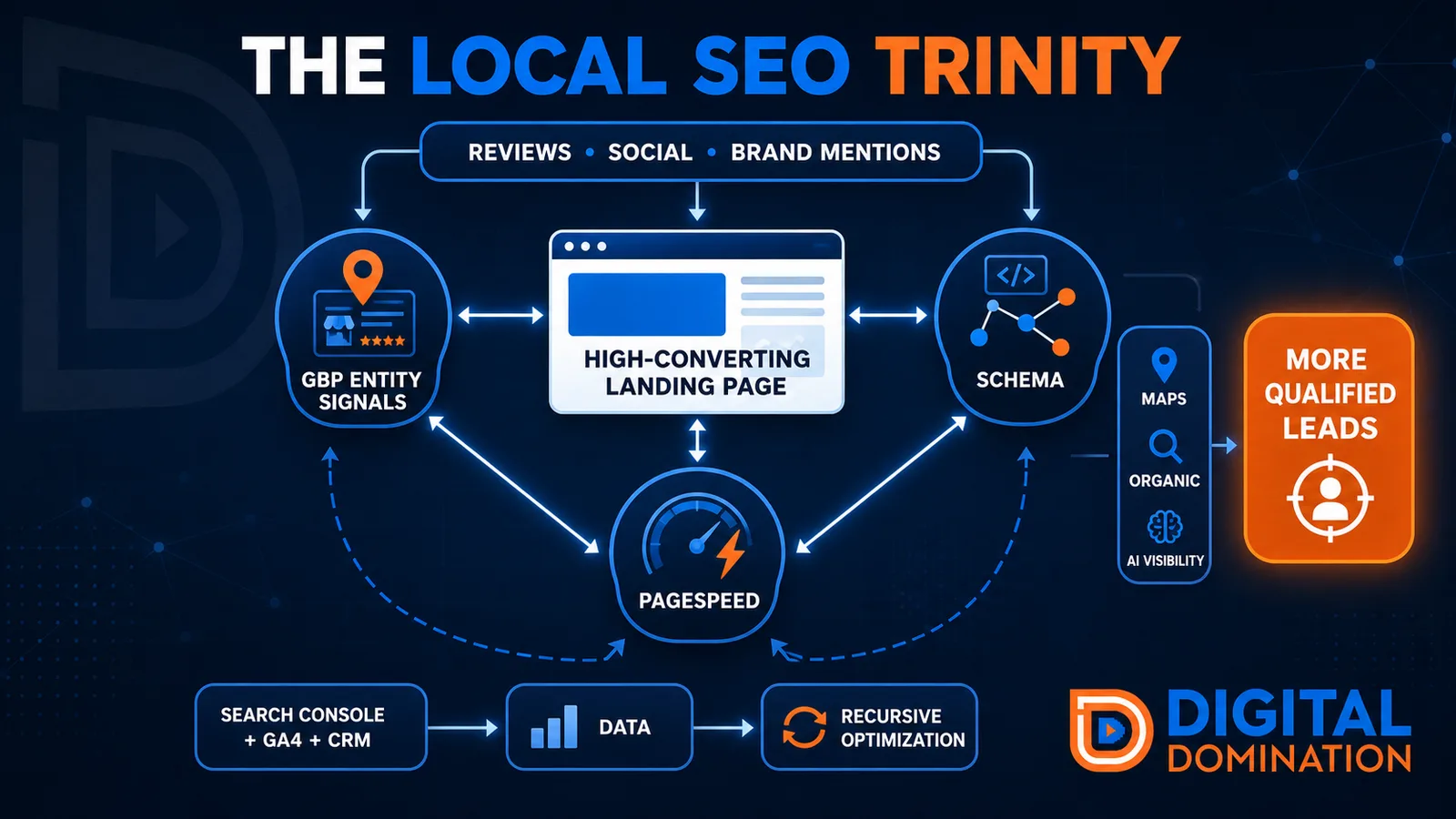
GBP entity signals
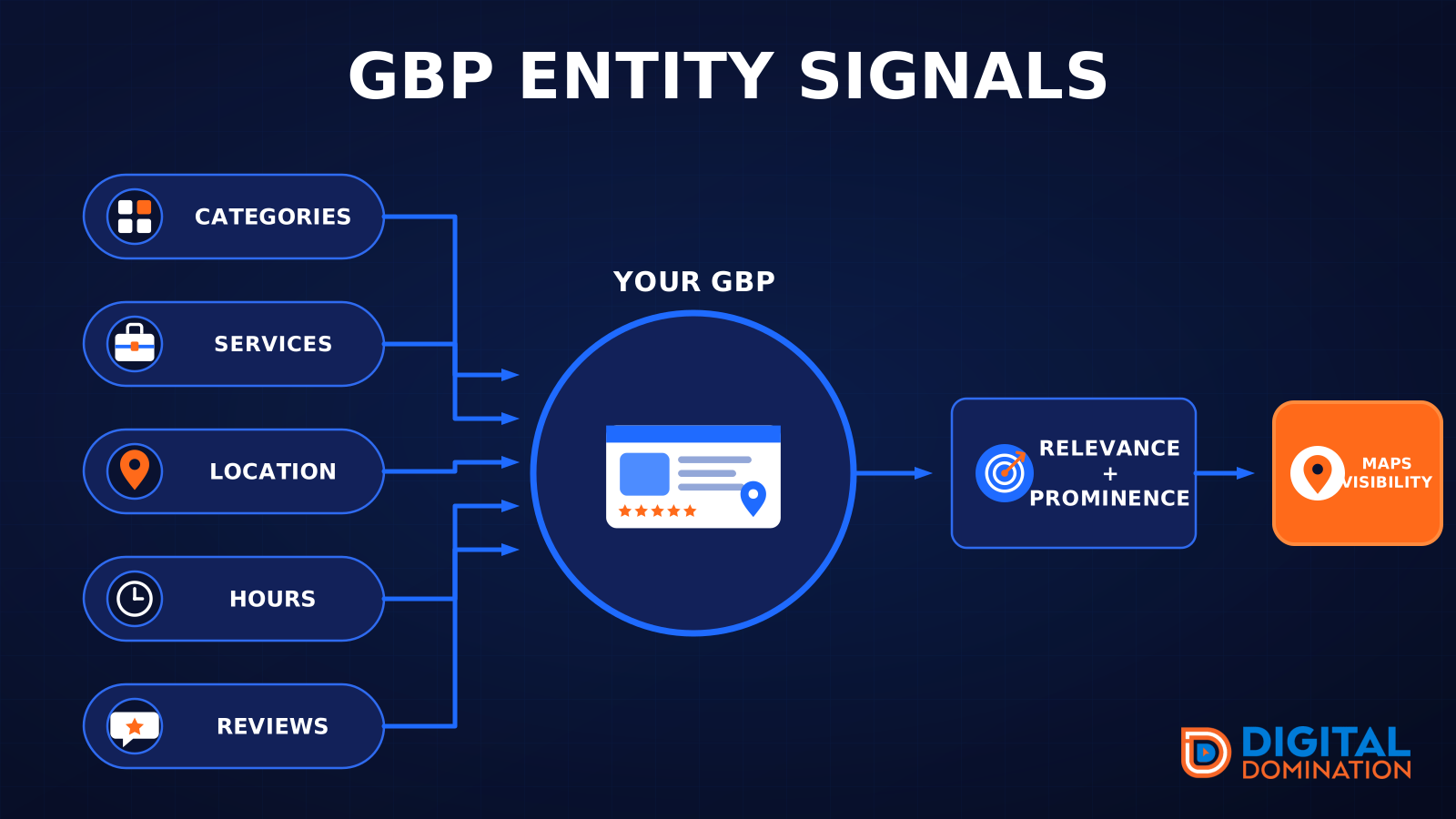
This leg is your Google Business Profile. GBP means Google Business Profile. It covers your categories, your services, your location, your hours, and your reviews. Google uses those facts to decide who to show.
Your Google profile is your storefront sign. If the sign is missing, or it names the wrong shop, people drive past.
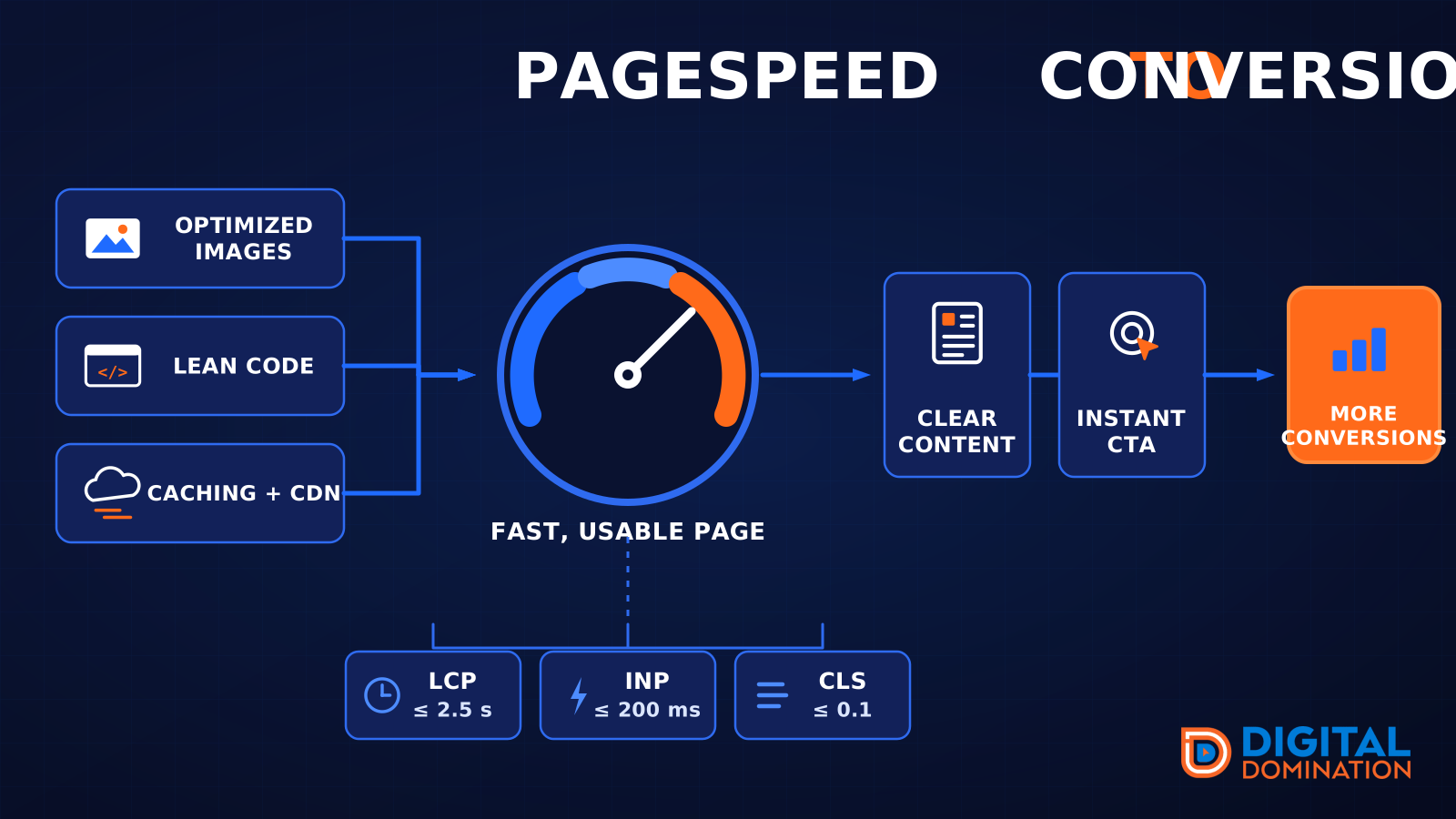
PageSpeed to conversion
This leg is your website, above all on a phone. Small images, lean code, and caching make a page fast. A fast, clear page is what turns a visit into a call. Phone speed is one of the 12 Trinity checks because a slow page loses the call before anyone sees your offer.
Your website is the showroom. If the door sticks, people leave before they look around.
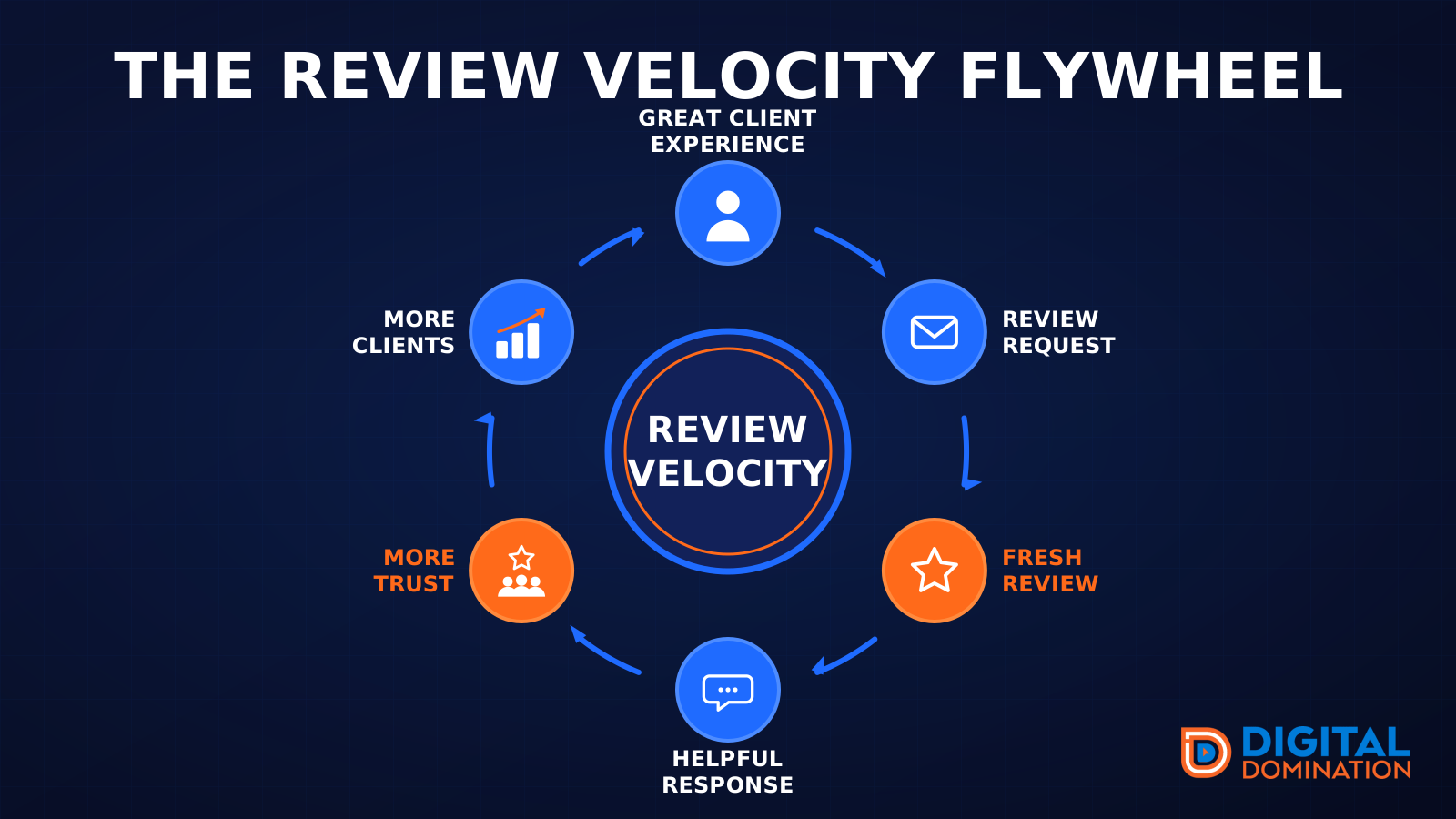
The review velocity flywheel
This leg is reviews and reputation. A good visit leads to a review request, then a fresh review, then a helpful reply, then more trust, then more customers. When the scan can find your Google listing, it shows your rating, your recent reviews, and how many you answered.
Reviews are word of mouth. One kind word helps. A steady stream of real reviews, and a reply from you, helps more.
How this turns into revenue
Being found in more searches leads to more calls. More calls lead to more booked jobs. More booked jobs lead to more revenue.
Example numbers, not a real business: 40 calls from search in a month, a 25 percent close rate, and a $400 average job. That is 10 booked jobs. That is $4,000. The math is the lesson. It is not a promise.
The full page has a box where you can type your own average job value and close rate.
One real story, from our car dealership case study: Medina Auto Group went from invisible on Google Maps to dominating every high-intent search across their market. The turnaround spanned all four of their rooftops at once. The same page says the team eliminated 89 unfair one-star reviews that had been dragging the dealership's reputation down and keeping it out of the Map Pack. It also says: “Results described here are exceptional and non-typical. Outcomes vary based on market conditions, competition, and implementation. No guarantees are made regarding earnings, rankings, or conversions.”
Free strategy call
More booked jobs start with a clear plan
Book a free strategy call. We look at your Google profile, your website, and your reviews, and we tell you what to fix first.
Free. You pick the time. A real person shows up.