
Google review appeals are delayed: do not build your reputation plan around takedowns
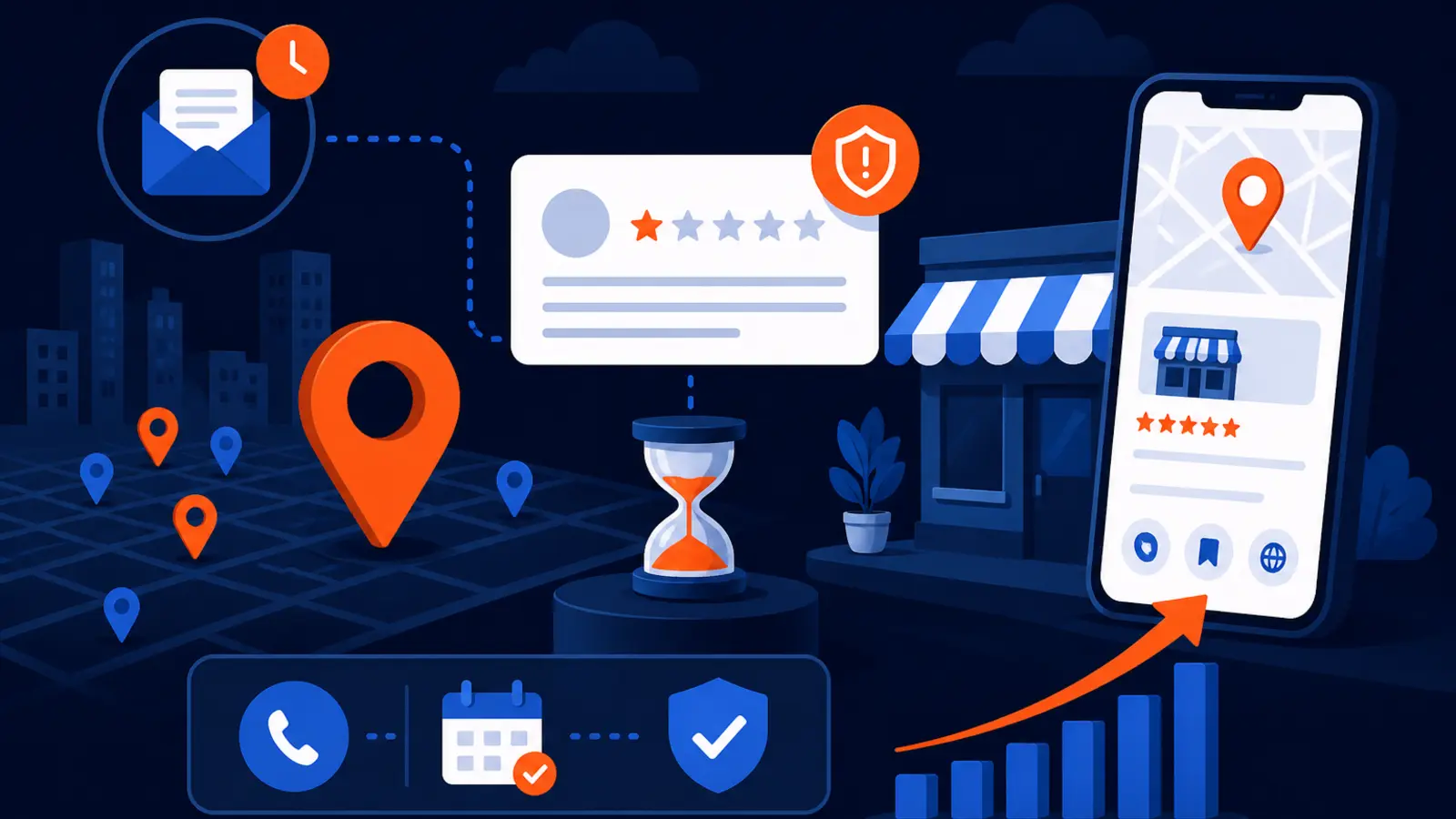
Google says review-related appeal processing times are extended because of high volume. Local businesses need a plan that protects calls, bookings and trust while a disputed review stays visible.
What changed and who it hits
Google posted in the Google Business Profile Help Community on October 15, 2026 that review-related appeal processing times are currently extended because of high volume. The post, titled GBP Review Appeal Delays, says there is no specific response timeframe for pending cases and tells businesses not to create duplicate appeals after submitting one.
Search Engine Land reported the delay on October 20, 2026, and Search Engine Roundtable also covered that Google Business Profiles review appeals are delayed again. The plain-English takeaway is simple: if you flag a review or appeal a review decision, you may not get a fast answer.
This hits any local business that depends on Google Search and Maps for calls, appointments, estimates or walk-ins. A disputed one-star review can sit on the profile while the business owner waits, even if the owner believes the review is fake, off-topic, abusive or from someone who was never a customer.
Why this matters for local revenue
Most owners do not care about a review dispute because it is a technical support issue. They care because a visible bad review can change what a shopper does next. If someone compares three nearby roofers, dentists, HVAC companies or attorneys, the owner with a recent unresolved complaint may lose the click before the phone ever rings.
Reviews also feed the bigger trust picture on a Google Business Profile. Google says local ranking is based on relevance, distance and prominence. Reviews can affect the prominence side of that equation because they shape how well known and trusted the business appears to be.
You cannot control Google’s appeal queue. You can control how prepared your profile looks while the queue moves. This week, look at the things a real customer sees before they decide to call:
bullets:[
- ▸Overall star rating and the wording of the most recent reviews
- ▸Whether the owner replies sound calm, specific and professional
- ▸Whether the profile has current services, hours and photos
- ▸Whether there are enough recent positive reviews to give context
- ▸Whether the website, profile and review replies tell the same story
Do not buy a promise of fast removals
The delay is a reminder that nobody outside Google can guarantee a fast review removal. A reputation provider can help you report a policy violation, organize evidence and track the case. They cannot force Google to decide by Friday.
If a vendor’s pitch is built mainly around takedowns, ask better questions. The right question is not, “Can you remove this review?” The right question is, “What will you do if Google leaves it up for weeks?”
A serious provider should be able to explain a complete process, not just a removal claim. Ask whether their reputation work includes these operating pieces:
- ▸A policy review before any appeal is filed
- ▸A public response plan for disputed reviews
- ▸A private customer follow-up process when the reviewer is identifiable
- ▸Evidence documentation in one organized file
- ▸A review request process that follows Google’s rules
- ▸Monthly reporting on review activity, not just removal attempts
What to do before an appeal
Before you or your provider clicks the appeal button, slow down and document the issue. Many owners are angry when they see a false or unfair review, which is understandable. But rushed appeals often miss the specific reason the review violates policy.
Start by identifying the exact problem. Is the review from a non-customer? Does it include hate speech, harassment, a conflict of interest, personal information or content unrelated to the business? A general complaint that feels unfair is not always removable under Google’s review policies.
Your provider should help you build an evidence file before filing. That file should be clean enough that another person can understand the dispute without a phone call. Useful evidence may include:
- ▸The review text, reviewer name and date posted
- ▸Screenshots of the review and your profile
- ▸Job records showing no matching customer when appropriate
- ▸Messages, invoices or appointment records when relevant
- ▸Notes on which policy the review appears to violate
- ▸The date the review was flagged or appealed
What to do during the appeal
Once the appeal is submitted, Google’s October 15 Help Community post says not to create duplicate appeals. That matters because duplicate submissions can add confusion without making the original case move faster.
During the wait, the public side of your profile needs attention. Your response should not argue like a courtroom filing. It should reassure future customers that your business listens, keeps records and is willing to resolve real issues.
A good response is short, calm and written for the next shopper, not only for the reviewer. If you cannot confirm the person was a customer, you can say that without attacking them. Your provider should help you publish a response that does these things:
- ▸Thanks the reviewer or acknowledges the concern
- ▸States that you cannot discuss private account details publicly
- ▸Invites the person to contact a named role or main office line
- ▸Avoids insults, threats and accusations
- ▸Mentions that the business takes feedback seriously
- ▸Keeps the tone consistent with your brand
Five things to check on your profile this week
If a bad review may remain visible longer than expected, your best defense is a profile that looks active, accurate and trustworthy. These are owner-level checks you can do this week without waiting on Google support.
Make these quick checks on your Google Business Profile:
- ▸Confirm your primary category and services match what you actually sell
- ▸Update holiday hours, service hours and appointment links if needed
- ▸Add recent photos of real work, staff, vehicles or the office
- ▸Read your last ten owner replies and fix any that sound defensive
- ▸Make sure your website contact page matches the profile phone, address and service area
What to pay a reputation provider to do
A reputation provider should be paid for repeatable work that reduces risk and builds trust over time. That work is bigger than trying to remove a single review. If Google’s queue is backed up, the value is in the system around the appeal.
For a local service business, the provider should help you create a reliable review routine. That means the right customers are asked at the right time, employees know what to say, and negative feedback has a private path before it becomes a public review.
When you interview a provider, ask for the workflow. You are looking for clear steps, not vague reassurance. A strong reputation workflow includes:
- ▸Monitoring new Google reviews and alerts
- ▸Drafting or reviewing owner responses
- ▸Escalating possible policy violations quickly
- ▸Documenting evidence for disputed reviews
- ▸Creating compliant review request messages
- ▸Training front desk, dispatch or sales staff on timing
- ▸Reporting trends in complaints and praise
Build review velocity without breaking trust
Review velocity means a steady flow of new reviews over time. It does not mean paying for reviews, gating unhappy customers away from review links or asking employees to post fake praise. Those shortcuts can create bigger problems than the original bad review.
The safest approach is to ask real customers after a real service experience. A plumbing company might ask after the job is complete. A med spa might ask after the appointment and follow-up instructions are handled. A law firm might ask at a point that fits its ethics rules and client relationship.
Your provider should help you make the request easy but not manipulative. Keep the ask simple and consistent:
- ▸Ask every eligible customer, not only the happiest ones
- ▸Use one clear review link
- ▸Train staff to ask in plain language
- ▸Do not offer discounts, gifts or prizes for reviews
- ▸Do not pressure customers to change honest feedback
- ▸Track which locations or teams forget to ask
Use the bad review as operations data
Some disputed reviews are truly fake or policy-violating. Others are messy, emotional versions of a real service failure. A good reputation plan separates the two, because both require action.
If the review points to a real issue, fix the issue even while the appeal is pending. A late technician, missed call, unclear estimate, billing surprise or rude handoff can create more bad reviews if the root cause stays in place.
This is where the provider should work with the owner, not just the marketing team. The weekly review conversation should answer practical questions:
- ▸Is the complaint about a person, policy, price or expectation?
- ▸Did the customer get a private follow-up?
- ▸Can the business prove what happened?
- ▸Does the website or profile create the wrong expectation?
- ▸Do staff need a script or checklist to prevent repeats?
What to do about it now
The owner’s action plan is not complicated. First, decide whether the review appears to violate Google policy. If it does, flag it or appeal it once, then document the submission date and do not create duplicate appeals.
Second, publish a professional response if the review is visible. Do not wait for Google if shoppers are already seeing it. Third, restart or tighten your review request process so one disputed review is not the only recent signal on the profile.
This week, assign one person to own the process. That person may be you, a manager or a provider. Give them a simple checklist:
- ▸Check new reviews every business day
- ▸Respond to every legitimate review, positive or negative
- ▸File one organized appeal when policy grounds exist
- ▸Save screenshots and evidence in one shared folder
- ▸Ask recent real customers for feedback in a compliant way
- ▸Review profile accuracy every week until the issue is resolved
How this should shape your buying decision
The October 15 Google Business Profile Help Community notice, plus the follow-up coverage from Search Engine Land and Search Engine Roundtable, changes the question owners should ask. Do not shop for the provider who sounds most confident about fast removals. Shop for the provider who can protect the profile while Google takes its time.
Digital Domination is a Las Vegas local SEO agency serving local service businesses nationally, so we look at reputation as part of local visibility, not as a separate vanity metric. The right plan should connect reviews, Google Business Profile optimization, local rankings and the calls that come from Search and Maps.
If you are comparing options, our online reputation management page at digitaldomination.ai/online-reputation-management/ explains the review monitoring, response, documentation and review-building work that should surround any appeal. It is written for business owners who want a practical process, not removal hype. To see how your business appears across your market before you make a decision, start with the free GeoGrid scan at digitaldomination.ai/scan/.
Keep reading
Related guides
- ▸When To Choose A Free Geogrid Scan Instead Of Doing Local SEO Yourself
- ▸When To Choose A Free Trinity Website Audit Instead Of Doing Local SEO
- ▸When To Choose AI Search Optimization Instead Of Doing Local SEO Yours
Put it into action
Frequently Asked Questions
Why are my Google review appeals taking so long?
Google said in the Google Business Profile Help Community on October 15, 2026 that review-related appeal processing times are extended because of high volume. Google did not give a specific response timeframe for pending cases.
Should I submit another Google review appeal if I have not heard back?
No. Google’s notice told businesses not to create duplicate appeals after submitting one. Keep your evidence organized, track the original submission and focus on responding professionally while you wait.
Can a reputation company remove a bad Google review fast?
A provider can help identify policy violations, file or support an appeal and document evidence. It cannot guarantee that Google will remove a review quickly, especially while Google says appeals are delayed.
Should I respond to a bad review if I am appealing it?
Usually, yes, if the review is visible to the public. Write a calm response for future customers, avoid private details and invite the reviewer to contact the business directly.
What should I do if a Google review is fake?
Save screenshots, gather records showing why you believe it is fake and flag or appeal it through the proper Google process. Do not attack the reviewer publicly, because future customers will judge your response too.
How do I protect my business while a bad review stays online?
Keep requesting honest reviews from real customers, respond to all reviews and make sure your Google Business Profile is accurate and active. A steady flow of legitimate recent feedback gives shoppers more context.
What should I ask a reputation management provider before hiring one?
Ask for their process before, during and after an appeal. They should explain review monitoring, response writing, evidence documentation, compliant review requests and reporting, not just promise takedowns.
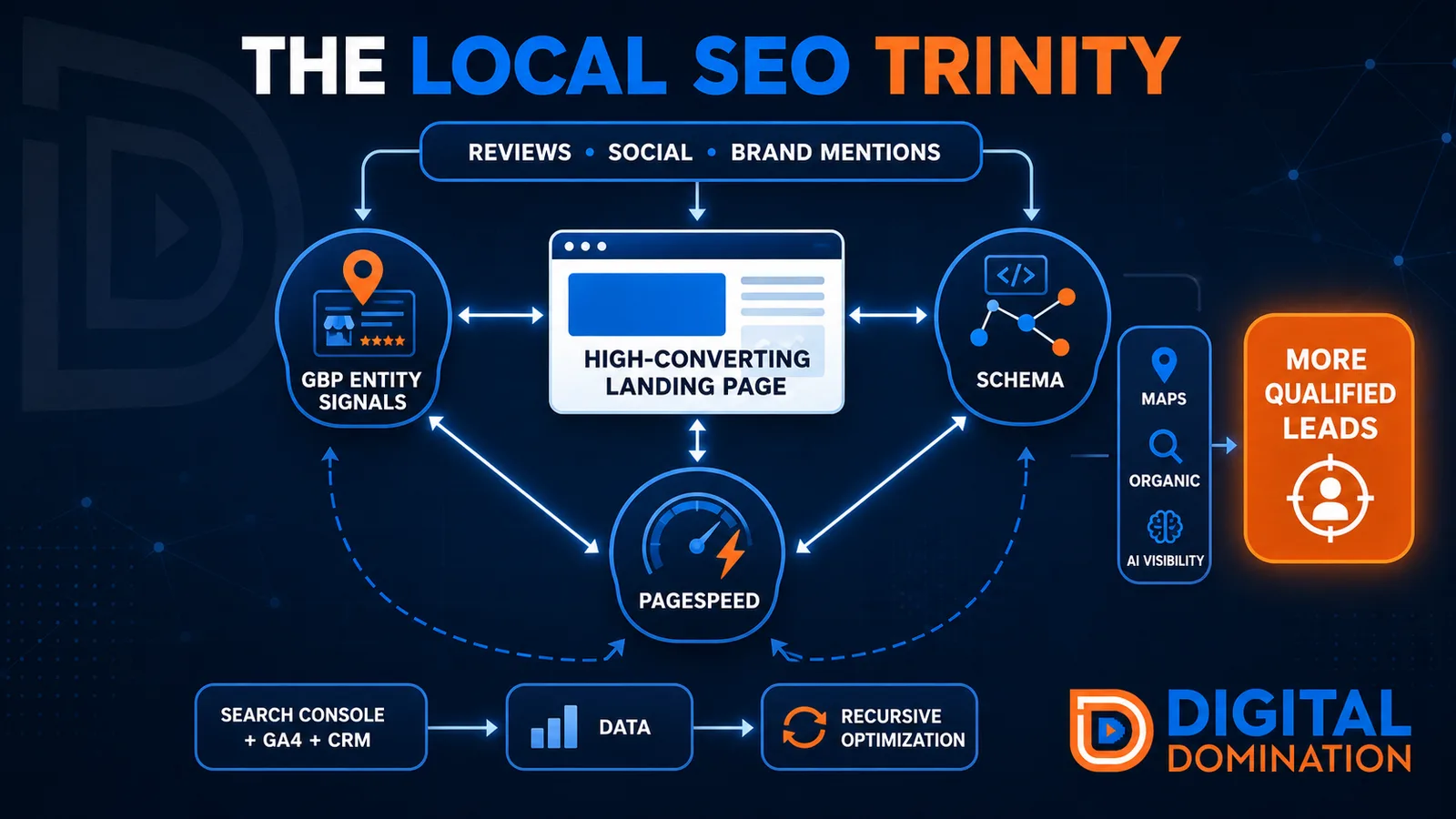
The Local SEO Trinity
Think of a three-legged stool. Your Google profile, your website, and your reviews all have to hold you up. If one leg is short, the whole thing wobbles.
GBP entity signals
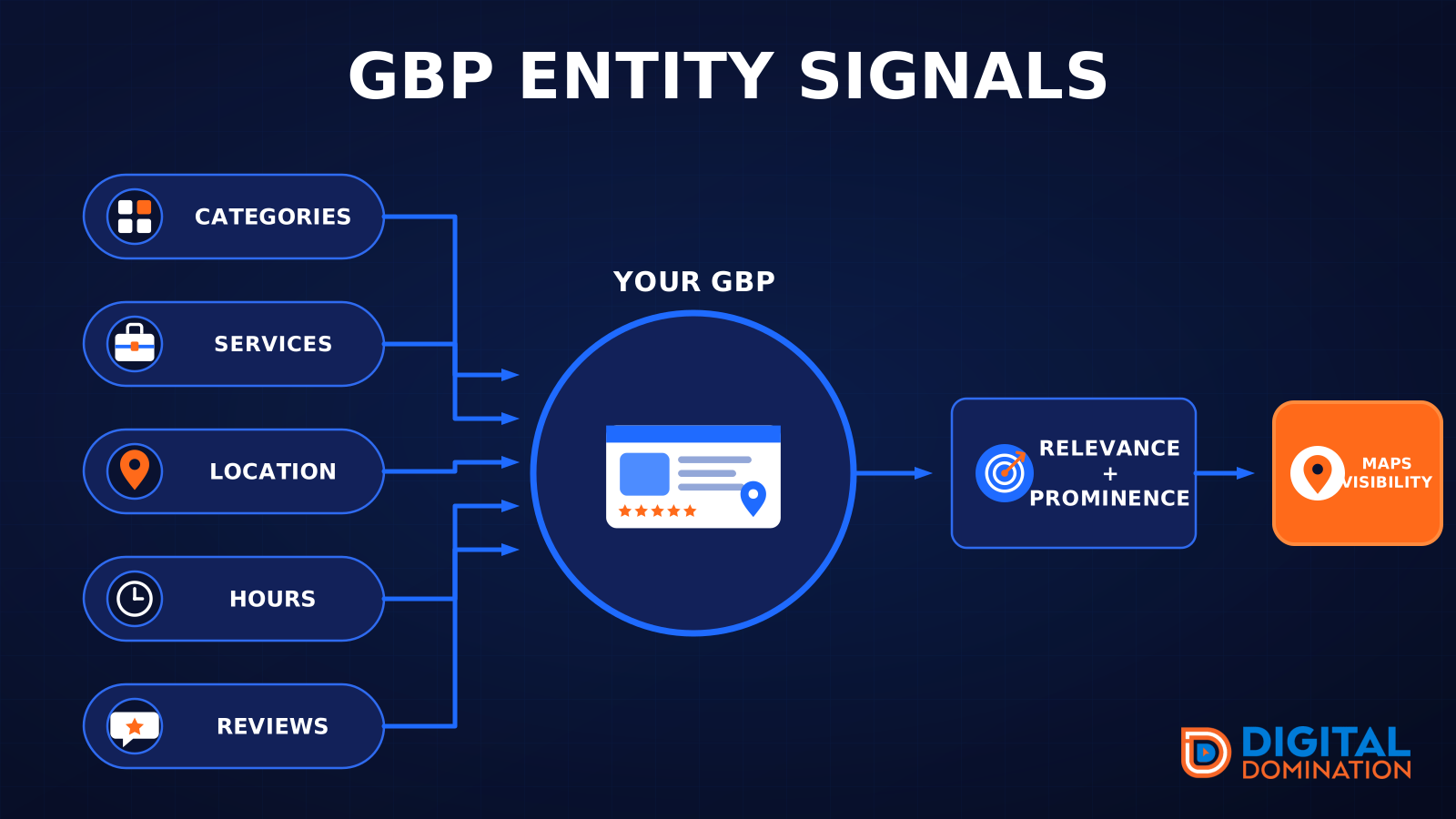
This leg is your Google Business Profile. GBP means Google Business Profile. It covers your categories, your services, your location, your hours, and your reviews. Google uses those facts to decide who to show.
Your Google profile is your storefront sign. If the sign is missing, or it names the wrong shop, people drive past.
PageSpeed to conversion
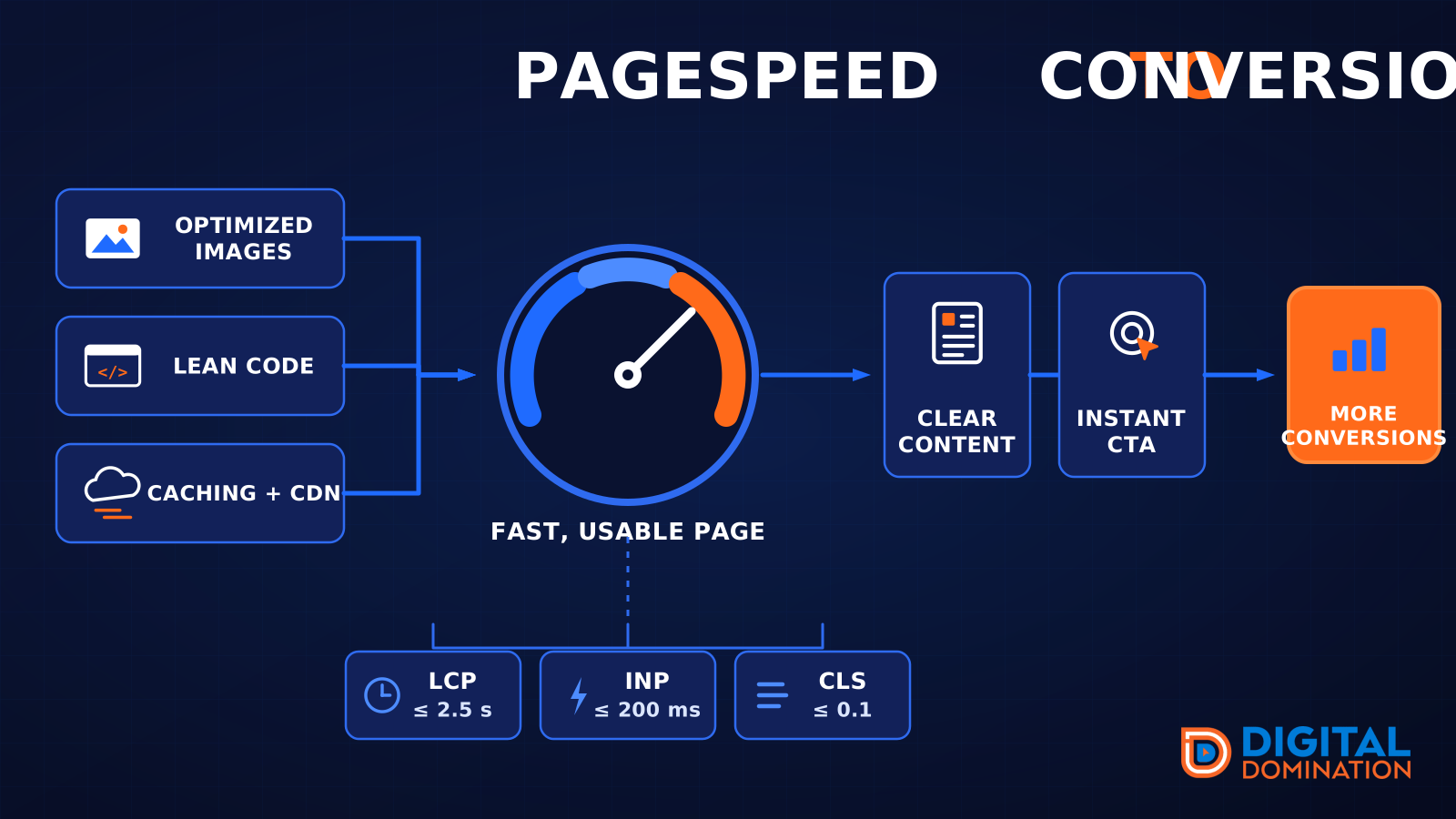
This leg is your website, above all on a phone. Small images, lean code, and caching make a page fast. A fast, clear page is what turns a visit into a call. Phone speed is one of the 12 Trinity checks because a slow page loses the call before anyone sees your offer.
Your website is the showroom. If the door sticks, people leave before they look around.
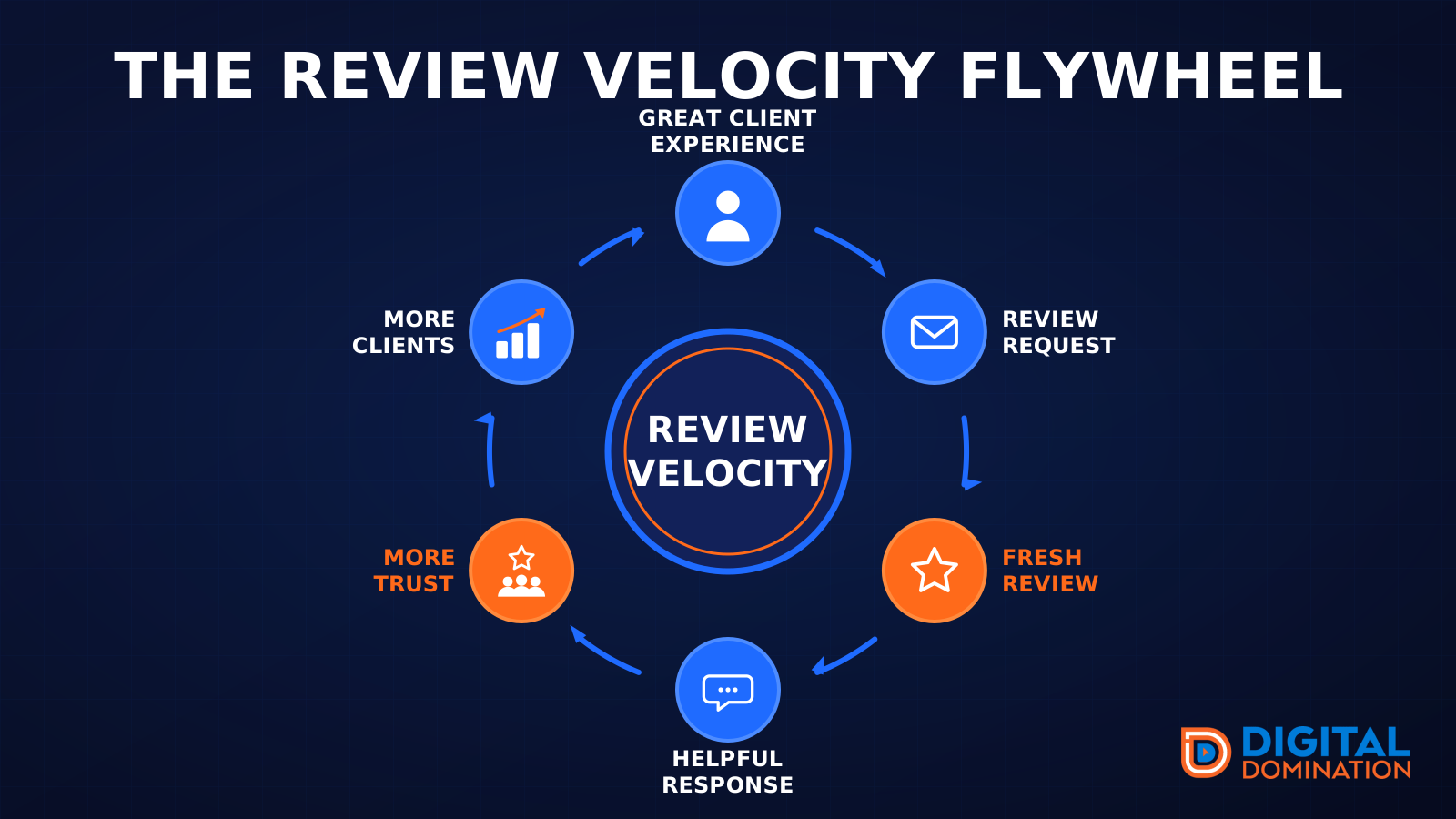
The review velocity flywheel
This leg is reviews and reputation. A good visit leads to a review request, then a fresh review, then a helpful reply, then more trust, then more customers. When the scan can find your Google listing, it shows your rating, your recent reviews, and how many you answered.
Reviews are word of mouth. One kind word helps. A steady stream of real reviews, and a reply from you, helps more.
How this turns into revenue
Being found in more searches leads to more calls. More calls lead to more booked jobs. More booked jobs lead to more revenue.
Example numbers, not a real business: 40 calls from search in a month, a 25 percent close rate, and a $400 average job. That is 10 booked jobs. That is $4,000. The math is the lesson. It is not a promise.
The full page has a box where you can type your own average job value and close rate.
One real story, from our car dealership case study: Medina Auto Group went from invisible on Google Maps to dominating every high-intent search across their market. The turnaround spanned all four of their rooftops at once. The same page says the team eliminated 89 unfair one-star reviews that had been dragging the dealership's reputation down and keeping it out of the Map Pack. It also says: “Results described here are exceptional and non-typical. Outcomes vary based on market conditions, competition, and implementation. No guarantees are made regarding earnings, rankings, or conversions.”
Free strategy call
More booked jobs start with a clear plan
Book a free strategy call. We look at your Google profile, your website, and your reviews, and we tell you what to fix first.
Free. You pick the time. A real person shows up.