
When to choose online reputation management instead of hiring an in-house marketer
A practical buying guide for local business owners deciding whether review growth, review response, and Google visibility need a specialist or a full-time marketing employee.

The short answer
Choose online reputation management when your biggest problem is trust at the point of purchase: not enough recent reviews, weak star rating, unanswered reviews, inconsistent review requests, or poor visibility in Google Maps. Hire an in-house marketer when you have enough daily work across campaigns, creative production, offers, events, email, social posts, vendor coordination, and reporting to keep a full-time generalist busy.
For many local service businesses, reputation work is not a 40-hour-per-week job. It is a system that must be done correctly, consistently, and within Google and FTC rules. If the work is mostly asking happy customers for reviews, replying to reviews, flagging policy violations, tracking reputation trends, and connecting reviews to local search visibility, a focused online reputation management provider is usually the cleaner fit.
The decision gets easier if you separate the job into outcomes. A marketer is hired to run a broad marketing calendar. A reputation management service is hired to build and protect proof that customers can see before they call.
- ▸Choose online reputation management when reviews are the bottleneck.
- ▸Choose an in-house marketer when the whole marketing department is the bottleneck.
- ▸Choose both only when you have enough work and budget for each role to stay focused.
Why reputation is not just a customer service task
Reviews affect both buyer confidence and local visibility. Google Business Profile Help says local results are mainly based on relevance, distance, and prominence, and that more reviews and positive ratings can help a business's local ranking. Google also says positive reviews and helpful replies can help a business stand out on Google Search and Maps.
That matters because reviews are often the last thing a customer checks before choosing who to call. BrightLocal's 2026 Local Consumer Review Survey found that 97% of consumers read reviews for local businesses, and the average consumer uses six review sites when choosing businesses. It also found that 74% only care about reviews written in the last three months.
A busy owner can treat reviews like a back-office chore, but customers treat them like evidence. The practical signs are usually easy to spot:
- ▸Your best work is not showing up in recent reviews.
- ▸Competitors look more trusted in the Map Pack.
- ▸Customers mention reviews on calls or estimates.
- ▸Bad reviews sit unanswered for weeks.
- ▸Your team asks for reviews only when someone remembers.
When online reputation management is the better buy
Online reputation management is the better buy when the job needs repeatable execution and policy-safe review growth more than another internal generalist. A good provider should build a routine that your staff can follow, then handle monitoring, replies, reporting, and improvement without pulling you into every detail.
This is especially true when your reviews are uneven by location, technician, service line, or season. An in-house marketer may be capable, but reputation management often gets buried under urgent creative tasks, social posts, website edits, and owner requests. When that happens, review requests become random, replies get delayed, and the business never builds a steady proof engine.
Choose a reputation management service first if these are true:
- ▸You need more recent, legitimate reviews.
- ▸Your team is too busy to request reviews consistently.
- ▸You are unsure what Google allows.
- ▸You need better responses to both good and bad reviews.
- ▸You want review activity tied to local search tracking.
- ▸You do not have enough broad marketing work for a full-time hire.
When hiring an in-house marketer makes more sense
Hiring an in-house marketer fits a business that has enough ongoing campaign planning, creative production, internal coordination, and reporting work to occupy a full-time generalist. That person can help coordinate promotions, manage vendors, gather photos, support events, build email campaigns, brief designers, update website content, and keep the marketing calendar moving.
The salary commitment is also different. The U.S. Bureau of Labor Statistics says market research analysts and marketing specialists had a median annual wage of $78,760 in May 2025. It says marketing managers had a median annual wage of $166,790 in May 2025 and plan programs to generate interest in products or services. Those figures do not include hiring time, training, payroll costs, tools, management time, or turnover risk.
An internal hire makes more sense when you can give that person a full seat, not just a review checklist. Look for these conditions:
- ▸You have multiple campaigns running every month.
- ▸You need constant coordination between sales, operations, and marketing.
- ▸You produce a lot of photos, videos, emails, and offers.
- ▸You already have specialists and need someone to manage them.
- ▸You want daily access to one person inside the business.
- ▸You are ready to manage, train, and evaluate the role.
The compliance difference owners should not ignore
Review work has rules. Google Business Profile Help says businesses can ask customers to leave reviews by sending a Google link or QR code. Google also says offering free or discounted goods or services in exchange for posting reviews, changing reviews, or removing negative reviews is strictly prohibited.
Google Maps User Generated Content Policy Help says reviews or ratings paid for directly or in kind are fake engagement and will be removed. It also says rating manipulation includes unusual volumes or patterns of review contributions that indicate efforts to manipulate a place's rating. The FTC final rule prohibits businesses from creating, selling, buying, or disseminating fake or false consumer reviews when the business knew or should have known they were fake or false. The FTC also prohibits compensation or incentives conditioned on reviews expressing a positive or negative sentiment.
This is one reason reputation management should not be assigned casually to whoever has spare time. The safe approach is simple:
- ▸Ask real customers for honest feedback.
- ▸Do not pay for reviews.
- ▸Do not offer discounts for positive reviews.
- ▸Do not ask only happy customers if that creates a misleading process.
- ▸Do not pressure customers to change or remove negative reviews.
- ▸Keep review requests consistent and documented.
What to look for and what to expect
A reputation management provider should make the work visible. You should know what review links are being used, who is being asked, how replies are handled, what reviews need owner input, and whether review activity is improving over time. You should also know whether your Google Business Profile is verified, because Google Business Profile Help says a business must be verified before it can reply to reviews on its Business Profile.
Expect reputation work to move in stages. First comes access and cleanup: profile access, verification status, current review patterns, response backlog, and any obvious policy issues. Then comes the request process: when customers are asked, how staff triggers requests, and which locations or teams need attention. Then comes reporting: review count, rating, response speed, recent review quality, and visibility signals.
Use these concrete checkpoints before you sign:
- ▸They confirm your Google Business Profile access and verification status.
- ▸They explain how review requests are sent.
- ▸They can show you the exact customer experience.
- ▸They follow Google and FTC rules on incentives.
- ▸They have a review response process for sensitive complaints.
- ▸They explain when a review should be reported instead of answered.
- ▸They report recent review activity, not just lifetime totals.
- ▸They connect reputation work to Maps visibility where possible.
Seven questions to ask before you sign
A good buying conversation should feel specific to your business, not like a canned software demo. Ask questions that reveal whether the provider understands local search, customer communication, and review policy. If the answers are vague, keep looking.
Bring these questions to the call:
- ▸How will you help us ask for reviews without violating Google or FTC rules?
- ▸Who writes review replies, and when do we approve them?
- ▸How do you handle a one-star review that includes a real service complaint?
- ▸What happens if a review appears to violate Google's policies?
- ▸How will we know whether recent reviews are improving?
- ▸Can you track review growth by location, team, or service line?
- ▸How do you connect reputation work to Google Maps visibility?
The cost logic: system versus salary
The cost comparison is not just monthly fee versus salary. It is whether you need a specialized system or a person for a broad set of internal tasks. Reputation management usually needs software, templates, response judgment, policy knowledge, tracking, and weekly consistency. An in-house marketer needs salary, management, priorities, tools, and enough varied work to justify the seat.
A common mistake is hiring a marketer because reviews are behind. Then the new hire gets pulled into everything: flyers, social posts, answering vendor emails, changing website copy, helping with events, and making reports. Reviews remain unfinished because they are important but not urgent.
Think of the decision this way:
- ▸If the pain is review trust, buy a reputation system.
- ▸If the pain is marketing capacity, hire a marketer.
- ▸If the pain is strategy across every channel, consider a senior marketing leader.
- ▸If the pain is inconsistent follow-through, do not create a role without clear ownership.
How review response affects buyer trust
Responding to reviews is not only about courtesy. BrightLocal's 2026 survey found that 80% of consumers are likely to use a business that responds to all reviews, while 42% are unlikely to use a business that never replies. It also found that 81% expect a review response within a week.
Google Business Profile Help says positive reviews and helpful replies can help a business stand out on Google Search and Maps. That means replies should be timely, calm, and useful. A good response thanks the customer, acknowledges the issue when there is one, avoids arguing, and moves private details out of public view.
Your reputation process should cover these response basics:
- ▸Reply to positive reviews with specific thanks.
- ▸Reply to negative reviews without defensiveness.
- ▸Avoid sharing private customer details.
- ▸Escalate serious complaints to an owner or manager.
- ▸Keep tone consistent with your brand.
- ▸Do not ignore old reviews if they are still visible.
What about fake, unfair, or policy-breaking reviews
Not every bad review can or should be removed. If a customer had a poor experience and writes about it without violating policy, the better move is usually a professional reply and an internal fix. If a review appears to violate Google's policies, it can be reported.
Google Business Profile Help says review evaluation after a removal report typically takes several days, and status can be checked in the Reviews Management Tool. That means a provider should not promise instant removal. They should explain what can be reported, what probably will not qualify, and how they will document the request.
Expect a careful process for disputed reviews:
- ▸Identify the review and the suspected policy issue.
- ▸Save notes and screenshots for your records.
- ▸Report through the proper Google process.
- ▸Track the status instead of guessing.
- ▸Prepare a public reply if removal does not happen.
- ▸Avoid threats or arguments with the reviewer.
How to make the final choice
Choose online reputation management if you want a focused, policy-safe system for getting more legitimate reviews, responding well, and turning customer trust into better local visibility. Choose an in-house marketer if you need someone inside the business every day to coordinate a broad marketing workload. If you need both, keep the responsibilities separate so review work does not disappear under general marketing tasks.
Digital Domination's Online Reputation Management page explains its review-focused service and how it helps local businesses build a stronger review presence. Digital Domination also offers a free GeoGrid scan page that checks 169 real Google results across your service area, so you can see how your business appears in local search before you decide what help to buy.
If reviews are the main issue, start with these next steps:
- ▸Review the Online Reputation Management page.
- ▸Request the free GeoGrid scan.
- ▸Compare your review profile with nearby competitors.
- ▸Decide whether you need a specialist system or a full-time internal hire.
Keep reading
Related guides
- ▸What is included in Google Maps SEO?
- ▸What is included in the Maps Domination Program?
- ▸What results to expect from Google Maps SEO, and when
Put it into action
Frequently Asked Questions
Should I hire a marketing coordinator just to get more Google reviews?
Usually not if reviews are the main job. A review program needs consistency, policy knowledge, response handling, and tracking, but it often does not require a full-time employee by itself. Hire a coordinator when you also need daily help with campaigns, content, vendors, and internal marketing tasks.
Is online reputation management the same as deleting bad reviews?
No. Good reputation management focuses on earning legitimate reviews, replying professionally, tracking review trends, and reporting reviews only when they appear to violate platform policy. Google says review evaluation after a removal report typically takes several days, so no provider should promise instant deletion.
Can my business ask customers for Google reviews?
Yes. Google Business Profile Help says businesses can ask customers to leave reviews by sending a Google link or QR code. The request should be for honest feedback, not for a positive review in exchange for a reward.
Can I offer a discount for a five-star review?
No. Google says offering free or discounted goods or services in exchange for posting, changing, or removing reviews is strictly prohibited. The FTC final rule also prohibits incentives conditioned on a review expressing a positive or negative sentiment.
Do review replies really matter for local businesses?
Yes, because customers pay attention to them. BrightLocal's 2026 survey found that 80% of consumers are likely to use a business that responds to all reviews, and 81% expect a response within a week. Replies also show future customers how you handle praise, mistakes, and complaints.
How long does it take for a new Google review to affect my rating?
Google Business Profile Help says an updated review score may take up to 2 weeks after a new review is posted. Google also says local review scores use a 1-to-5-star scale and the score is the average of all published ratings for that place or business.
When is an in-house marketer worth it for a local business?
An in-house marketer is worth it when you have enough ongoing work to fill the role: campaign planning, creative production, internal coordination, reporting, vendor management, and sales support. If the main problem is reviews and trust, a reputation management service may be more focused and easier to manage.
Can online reputation management help with Google Maps visibility?
It can support Maps visibility because Google says local results are mainly based on relevance, distance, and prominence, and that more reviews and positive ratings can help local ranking. It is not the only factor, but a stronger review profile and helpful replies can make your business more convincing when customers compare options.
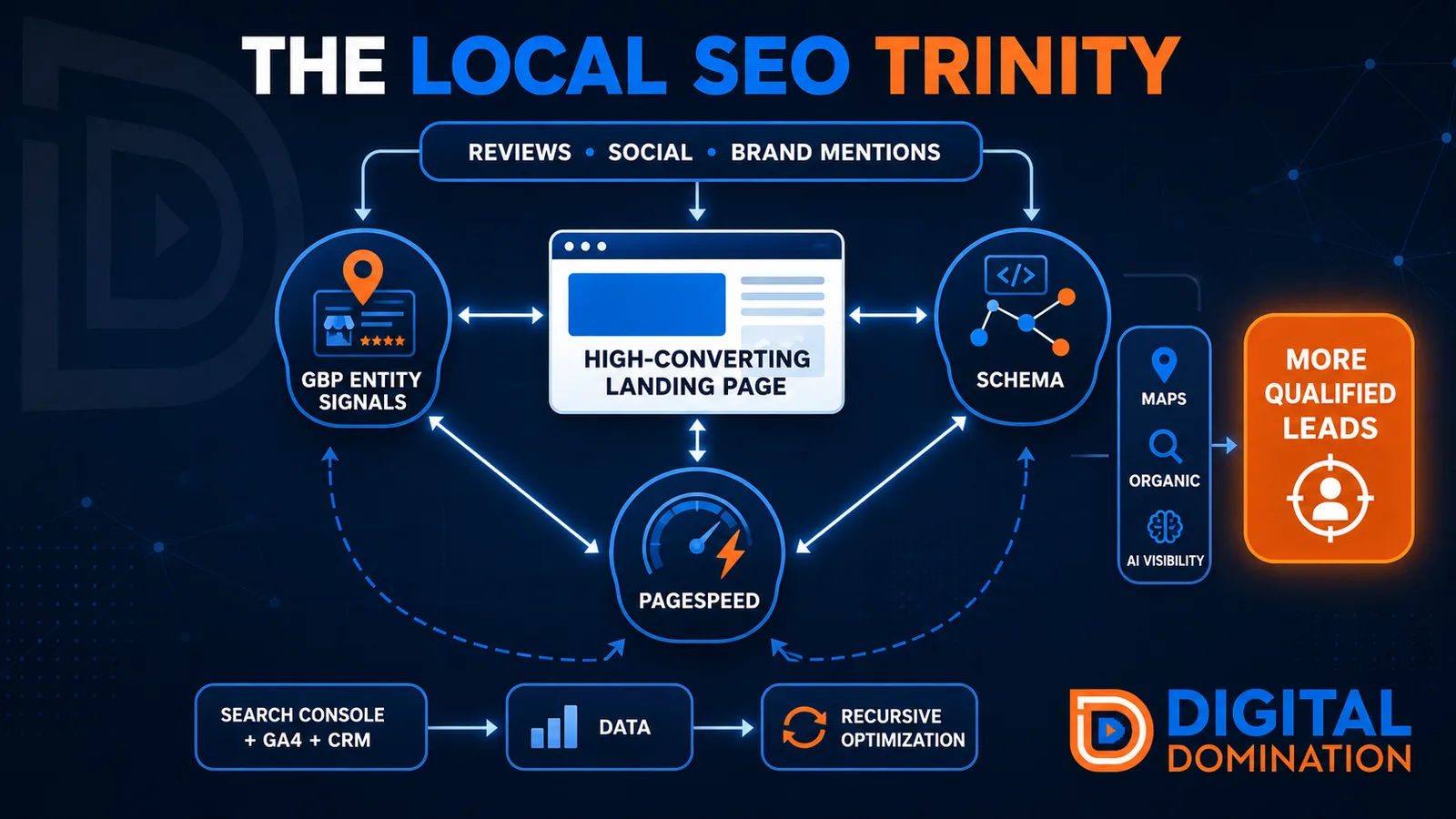
The Local SEO Trinity
Think of a three-legged stool. Your Google profile, your website, and your reviews all have to hold you up. If one leg is short, the whole thing wobbles.
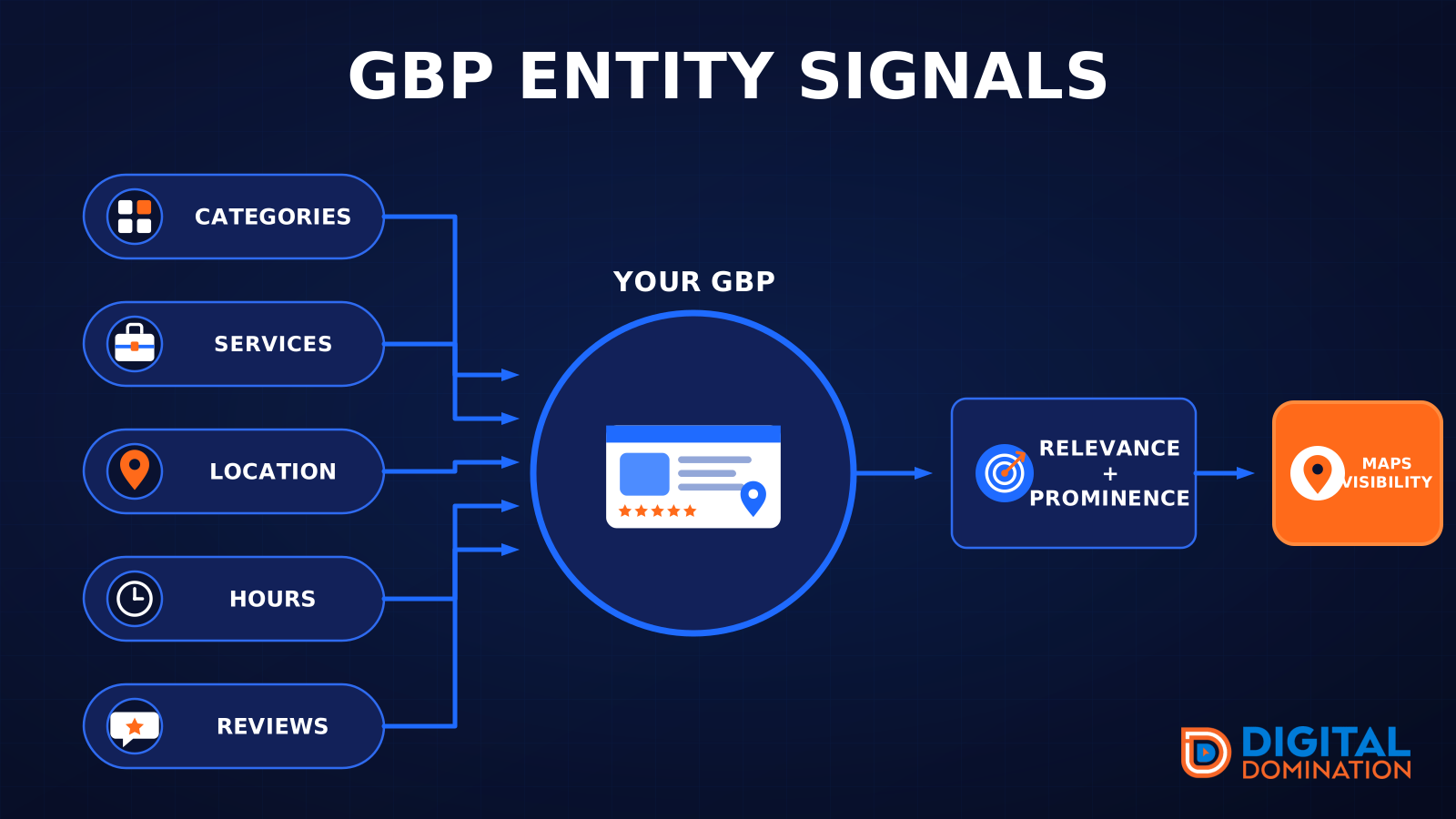
GBP entity signals
This leg is your Google Business Profile. GBP means Google Business Profile. It covers your categories, your services, your location, your hours, and your reviews. Google uses those facts to decide who to show.
Your Google profile is your storefront sign. If the sign is missing, or it names the wrong shop, people drive past.
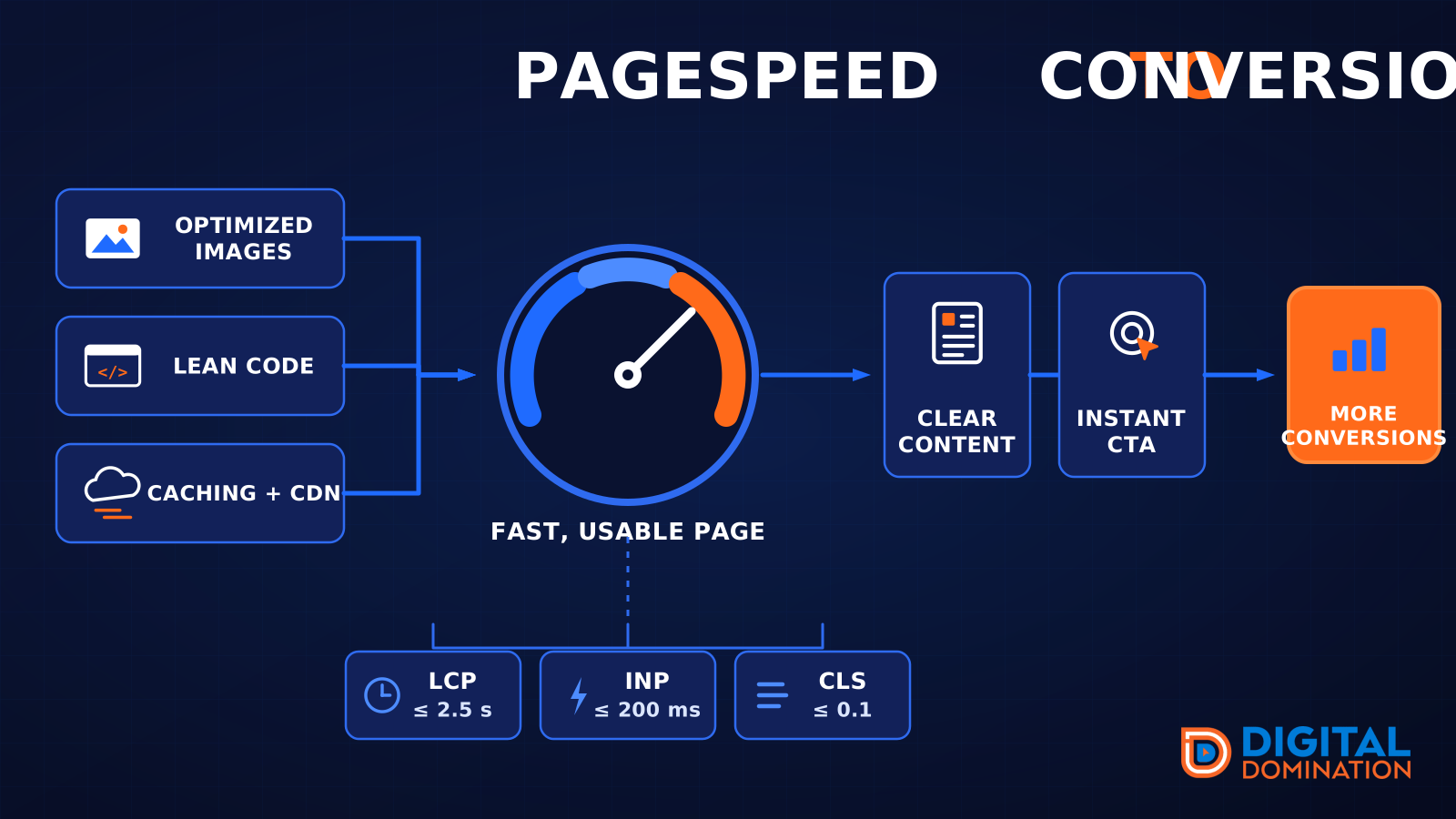
PageSpeed to conversion
This leg is your website, above all on a phone. Small images, lean code, and caching make a page fast. A fast, clear page is what turns a visit into a call. Phone speed is one of the 12 Trinity checks because a slow page loses the call before anyone sees your offer.
Your website is the showroom. If the door sticks, people leave before they look around.
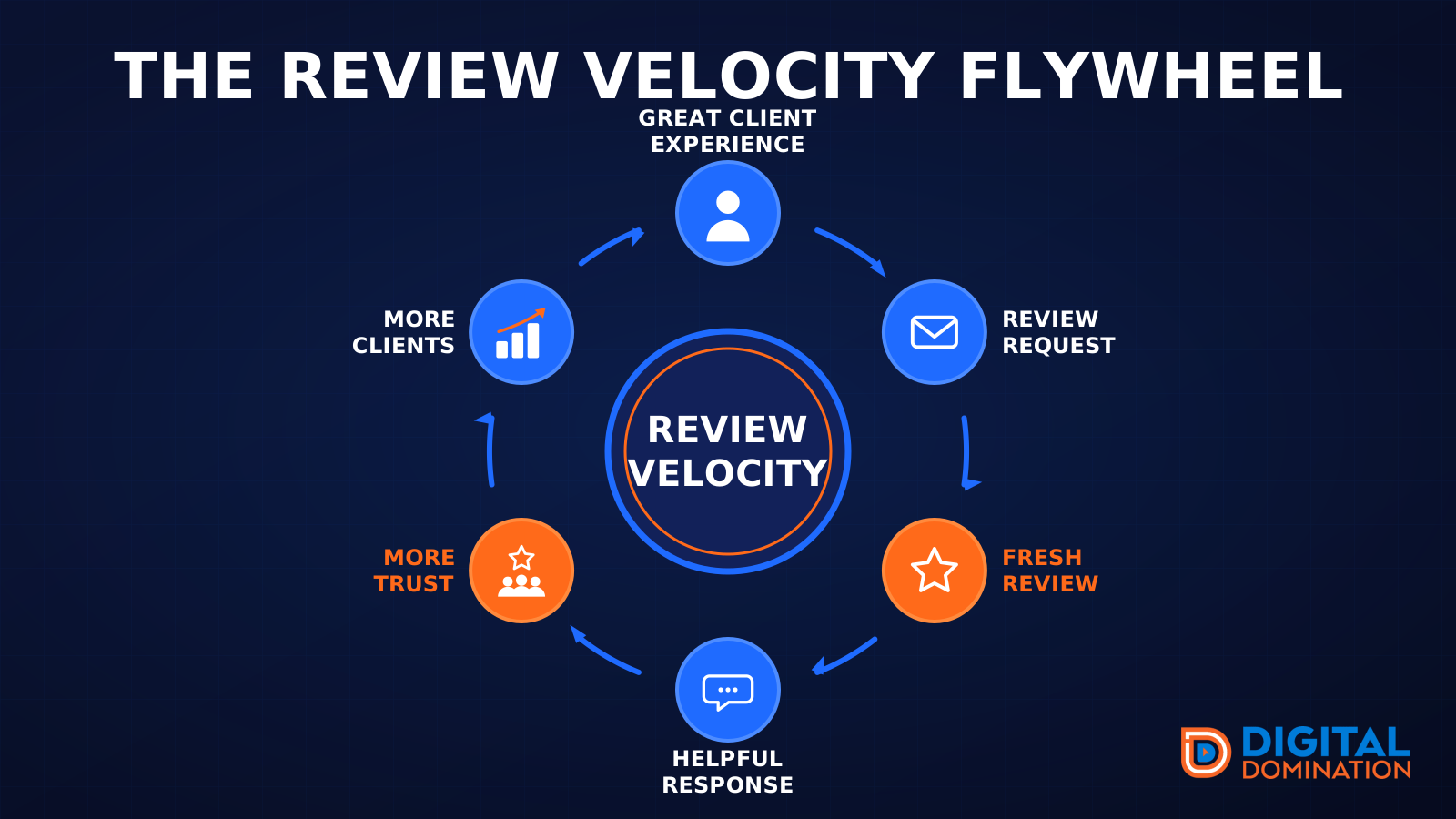
The review velocity flywheel
This leg is reviews and reputation. A good visit leads to a review request, then a fresh review, then a helpful reply, then more trust, then more customers. When the scan can find your Google listing, it shows your rating, your recent reviews, and how many you answered.
Reviews are word of mouth. One kind word helps. A steady stream of real reviews, and a reply from you, helps more.
How this turns into revenue
Being found in more searches leads to more calls. More calls lead to more booked jobs. More booked jobs lead to more revenue.
Example numbers, not a real business: 40 calls from search in a month, a 25 percent close rate, and a $400 average job. That is 10 booked jobs. That is $4,000. The math is the lesson. It is not a promise.
The full page has a box where you can type your own average job value and close rate.
One real story, from our car dealership case study: Medina Auto Group went from invisible on Google Maps to dominating every high-intent search across their market. The turnaround spanned all four of their rooftops at once. The same page says the team eliminated 89 unfair one-star reviews that had been dragging the dealership's reputation down and keeping it out of the Map Pack. It also says: “Results described here are exceptional and non-typical. Outcomes vary based on market conditions, competition, and implementation. No guarantees are made regarding earnings, rankings, or conversions.”
Free strategy call
More booked jobs start with a clear plan
Book a free strategy call. We look at your Google profile, your website, and your reviews, and we tell you what to fix first.
Free. You pick the time. A real person shows up.