
FCC text opt-out changes hit Google review requests
Local businesses can still use review-request texts, but they need cleaner consent, category controls and opt-out handling before November 25.

What changed and who it hits
On October 26, 2026, the Federal Register published the FCC’s revised TCPA consent-revocation rules, with an effective date of November 25, 2026. The rule matters for any local business that sends automated texts after a job, visit, estimate, appointment or purchase, including texts that ask a customer to leave a Google review.
The Federal Register notice titled Rules and Regulations Implementing the Telephone Consumer Protection Act of 1991 says businesses can use clearer, designated opt-out methods and category-specific opt-outs for informational messages. In plain English, a customer may be able to stop one kind of message without stopping every useful message from your business, if your system is set up correctly.
This hits dentists, plumbers, roofers, med spas, auto shops, home service companies, legal intake teams and any local service business using a reputation platform, CRM, booking tool or local SEO provider to text customers. The rule is not just about sales blasts. It can affect the systems that send appointment reminders, estimate follow-ups, review requests and marketing offers from the same phone number or platform.
The short answer for Google review texts
Most local businesses should not automatically stop texting happy customers for reviews. Texting is still one of the easiest ways to get a customer to the right review link while the service experience is fresh. The issue is whether your provider can prove the message is allowed, honor opt-outs properly and keep informational messages separate from marketing messages.
If your current system treats every text the same, or if it cannot show you how opt-outs are processed, you have work to do before November 25. A sloppy setup can create compliance exposure and may force you to pause review-request texting during the busiest review season of the year.
A practical owner-level rule is this: keep texting only if you can answer these questions clearly:
- ▸Who gave consent to receive the text
- ▸What category the review request falls into
- ▸What exact opt-out words or links customers can use
- ▸How quickly the platform processes opt-outs
- ▸Whether marketing texts are separated from informational texts
- ▸Who is responsible if a customer complains
Why this matters before holiday review season
Late November and December are important for local reputation because many people are choosing service providers quickly. A homeowner may need emergency HVAC help. A patient may search for a dentist before benefits reset. A shopper may compare nearby businesses on Google before calling.
Reviews do not just sit on your profile. They affect trust at the moment someone is deciding whether to call. Google’s local ranking factors are relevance, distance and prominence. A steady, legitimate review process supports the prominence and trust side of that equation, while also giving shoppers recent proof that your business is active and responsive.
If a business pauses review texts because its provider cannot handle opt-outs, it may still collect reviews by email, QR cards or direct follow-up. But for many service businesses, text is the lowest-friction path. That is why the compliance question is urgent: the goal is not to text less, it is to text correctly.
What category-specific opt-outs mean in plain English
Category-specific opt-outs are the part of the rule many local businesses will feel first. The idea is that a customer may want to stop promotional offers without blocking practical information, such as an appointment reminder or a service update. The revised FCC rule gives businesses more room to define clear opt-out paths, but only if the business actually uses them correctly.
Faegre Drinker Biddle & Reath LLP wrote that the new FCC rule gives callers more control over TCPA opt-outs if they act. The key phrase is if they act. A business that keeps using vague wording, shared categories and unclear unsubscribe logic may not get the benefit of the updated rule.
For a local business, this means your reputation or texting provider should be able to map each message type into a clear category. Ask for the category names in writing, not just a verbal reassurance. You want to know whether the platform treats a Google review request as informational, marketing or something else under its own workflow.
Five things to check in your review texting this week
You do not need to become a TCPA expert to reduce risk. You do need a simple audit of the tools that send messages in your name. Start with the software that sends review requests, then check your booking tool, CRM, estimate software and any call center or virtual assistant tool that can send texts.
Use this checklist with your provider this week:
- ▸Confirm which phone number sends review requests and whether that same number sends marketing texts
- ▸Ask whether review requests, appointment reminders, estimates and promotions are stored in separate message categories
- ▸Read the exact opt-out language your customer sees in a review-request text
- ▸Ask for a sample report showing when a customer opted out and what category was blocked
- ▸Confirm whether an opt-out in one tool syncs to every other tool that texts the same customer
The compliance questions to ask your provider before November 25
Your local SEO agency, reputation platform or CRM vendor should be ready for these questions. If the answer is vague, ask for documentation. If the person selling you the tool cannot answer, ask for a compliance or product contact.
The CommLaw Group noted that the FCC’s new TCPA consent revocation rules on category-specific opt-outs and exclusive revocation methods take effect November 25, 2026, with comments on further changes due the same day. That timing means providers should already know how they are handling the rule.
Send these questions in writing so you have a clear record:
- ▸How do you classify a text asking for a Google review
- ▸Can customers opt out of marketing while still receiving appointment reminders
- ▸Can customers opt out of review requests only
- ▸What words, links or instructions count as a valid opt-out in your system
- ▸How fast are opt-outs processed inside the platform
- ▸Do opt-outs sync across all locations, users and connected tools
- ▸Can you provide an export of consent and opt-out history if needed
- ▸What changes, if any, are being made before November 25
When to pause review-request texting
You do not need to panic, but there are situations where pausing is the safer short-term move while you fix the system. A pause does not have to mean you stop asking for reviews. It means you temporarily move requests to email, printed cards, QR codes or one-to-one manual follow-up until your text workflow is clean.
Consider pausing automated review-request texting if any of these are true:
- ▸Your provider cannot explain how opt-outs are processed
- ▸Marketing texts and review requests come from the same campaign with no category separation
- ▸Customers who reply STOP keep receiving similar texts
- ▸Your team imports old customer lists without consent records
- ▸Multiple tools text customers and none of them sync opt-outs
- ▸You cannot see a log of who opted out and when
What to do about it
Here is the owner-level action plan. It is not legal advice, and businesses with heavy texting volume or complex consent practices should talk with counsel. But these steps will help you find obvious problems before the November 25 effective date.
Start by making a list of every system that can text a customer. Many owners find more than one: the scheduling platform, CRM, review tool, payment system, call tracking tool and sometimes a marketing agency platform. Then identify which messages are appointment-related, estimate-related, review-related or promotional.
Next, ask your provider to update the wording of your review-request text so it is clear, plain and limited to the review request. Do not mix a discount, referral offer or promotion into the same text. That may make the message harder to classify and harder to defend.
This week, take these concrete steps:
- ▸Export your current review-request text template and save a copy
- ▸Remove promotional language from review-request texts
- ▸Add or confirm clear opt-out instructions
- ▸Test the opt-out yourself with a non-customer test record
- ▸Check whether the customer is blocked from the right message category
- ▸Document the test with screenshots and dates
- ▸Train front desk and dispatch staff not to override opt-outs manually
The companion proposal is a warning sign
The October 26 Federal Register notice titled Modernizing the Ability of Consumers To Control Robocalls is not the same as the rule taking effect on November 25. It is a companion proposal that asks whether future rules should go further. That matters because it shows where regulators may look next.
The proposal asks about issues that could directly affect local business texting, including whether future rules should require two-way texting, shorten opt-out processing windows or add a one-step revoke all option. If those ideas become rules later, weak systems will become even harder to defend.
For now, owners should treat the proposal as a warning to clean up their foundation. If your platform cannot handle categories today, it may struggle with tighter rules tomorrow.
How this connects to local SEO
Local SEO is not only keywords and citations. Your review process is part of the system that helps real customers choose you. If your review requests stop, your profile can start to look stale compared with competitors that continue asking legally and consistently.
The goal is a steady review habit, not a risky blast. Ask after real service, make the link easy, do not pressure customers for only positive feedback and make sure the customer can opt out. That approach protects the business while still supporting the trust signals that matter in local search.
A healthy review-request process should include these basics:
- ▸Ask only real customers after a real interaction
- ▸Send the request soon after service, while the experience is fresh
- ▸Use a direct Google review link when appropriate
- ▸Avoid incentives, discounts or gifts for reviews
- ▸Respond to reviews in a professional voice
- ▸Track opt-outs and complaints like you track leads
What Digital Domination recommends now
Our view is simple: local businesses should keep asking for Google reviews, but they should not ignore the November 25 deadline. If your texting system can separate message categories, process opt-outs correctly and show a clear record, review-request texting can remain part of your reputation strategy. If it cannot, fix the system before you keep sending automated texts.
Digital Domination is a Las Vegas local SEO agency serving local service businesses nationally. Our reputation page at digitaldomination.ai/reputation/ explains how we help businesses build a review request process, improve Google Business Profile trust signals and manage customer feedback without turning reputation into guesswork.
If you are unsure whether your review profile is helping you compete across your service area, start by seeing where you show up now. Start with a free GeoGrid scan at digitaldomination.ai/scan/.
Keep reading
Related guides
- ▸Google Maps SEO Vs Hiring An In House Marketer Or Marketing Coordinato
- ▸Google Business Profile post view counts are back
- ▸Google Restaurant Ordering Links
Put it into action
Frequently Asked Questions
Can I still text customers to ask for Google reviews after the FCC rule change?
Yes, many local businesses can still use review-request texts. The issue is whether your system has proper consent records, clear opt-out instructions and correct opt-out processing. Ask your provider how it classifies review requests and how it handles category-specific opt-outs.
When do the new FCC TCPA opt-out rules take effect?
The revised rules were published in the Federal Register on October 26, 2026. The effective date is November 25, 2026. Local businesses should review their texting setup before that date.
Are Google review-request texts marketing messages?
That can depend on the wording, workflow and legal interpretation. A plain text asking a recent customer for feedback is different from a text that also includes a coupon, referral offer or promotion. Ask your platform and legal counsel how your specific message is classified.
What should my review platform be able to do?
It should show consent history, send clear opt-out instructions and process opt-outs reliably. It should also separate informational texts from marketing texts where appropriate. You should be able to see when a customer opted out and what message category was affected.
Should I pause automated review texts until November 25?
Pause only if your provider cannot explain the workflow or if customers who opt out keep receiving texts. If your system is clean, documented and properly segmented, you may be able to keep texting. If you pause, use email, QR codes or personal follow-up while the text workflow is fixed.
What is a category-specific opt-out?
A category-specific opt-out lets a customer stop one type of message without necessarily stopping every type of message. For example, a customer may not want promotional offers but may still want appointment reminders. Your platform must be able to honor that distinction correctly.
What should I ask my local SEO agency about review texts?
Ask how review requests are classified, what opt-out language customers see and how quickly opt-outs are processed. Also ask whether opt-outs sync across your CRM, booking tool and reputation platform. Get the answers in writing before the November 25 effective date.
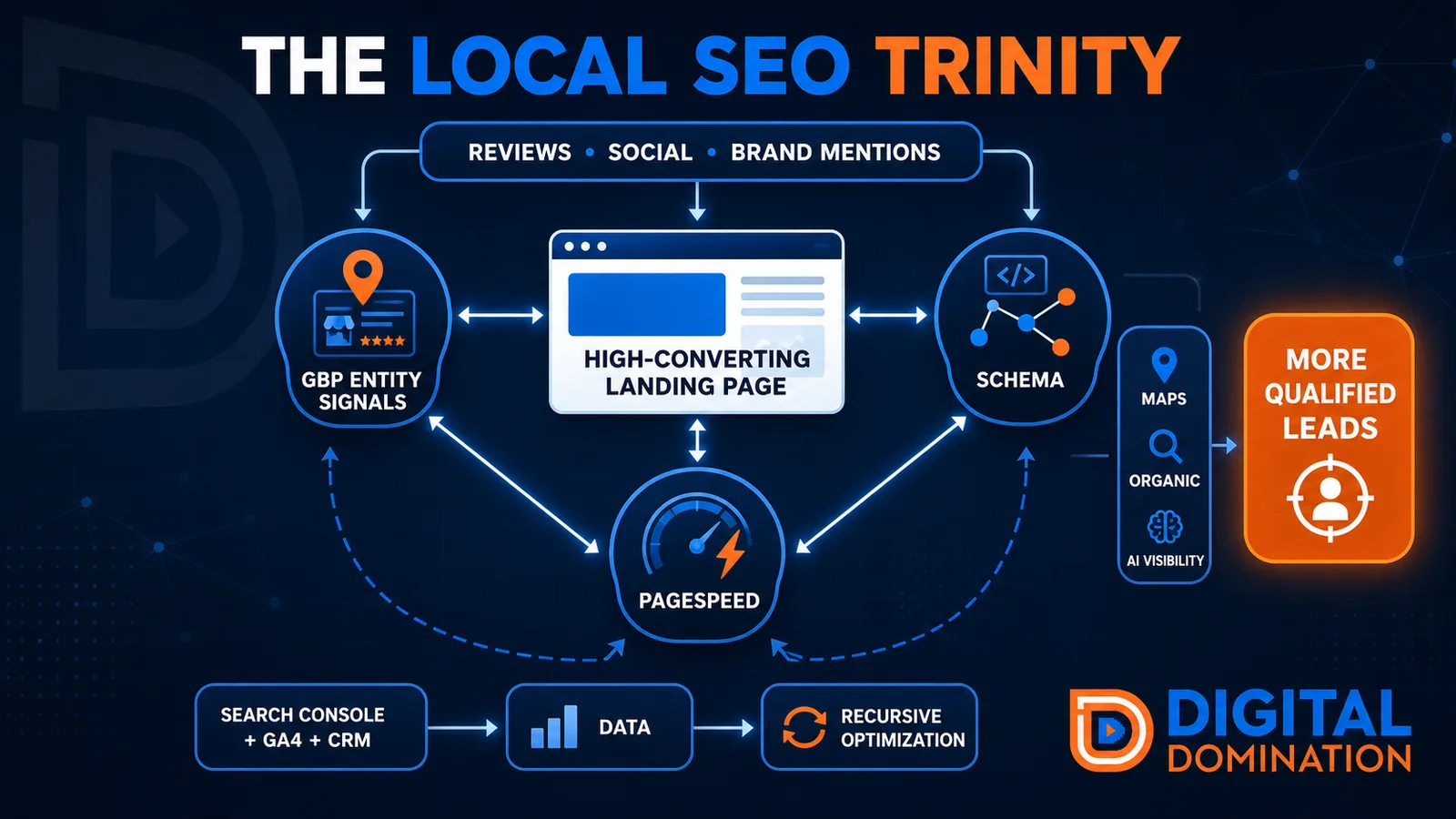
The Local SEO Trinity
Think of a three-legged stool. Your Google profile, your website, and your reviews all have to hold you up. If one leg is short, the whole thing wobbles.
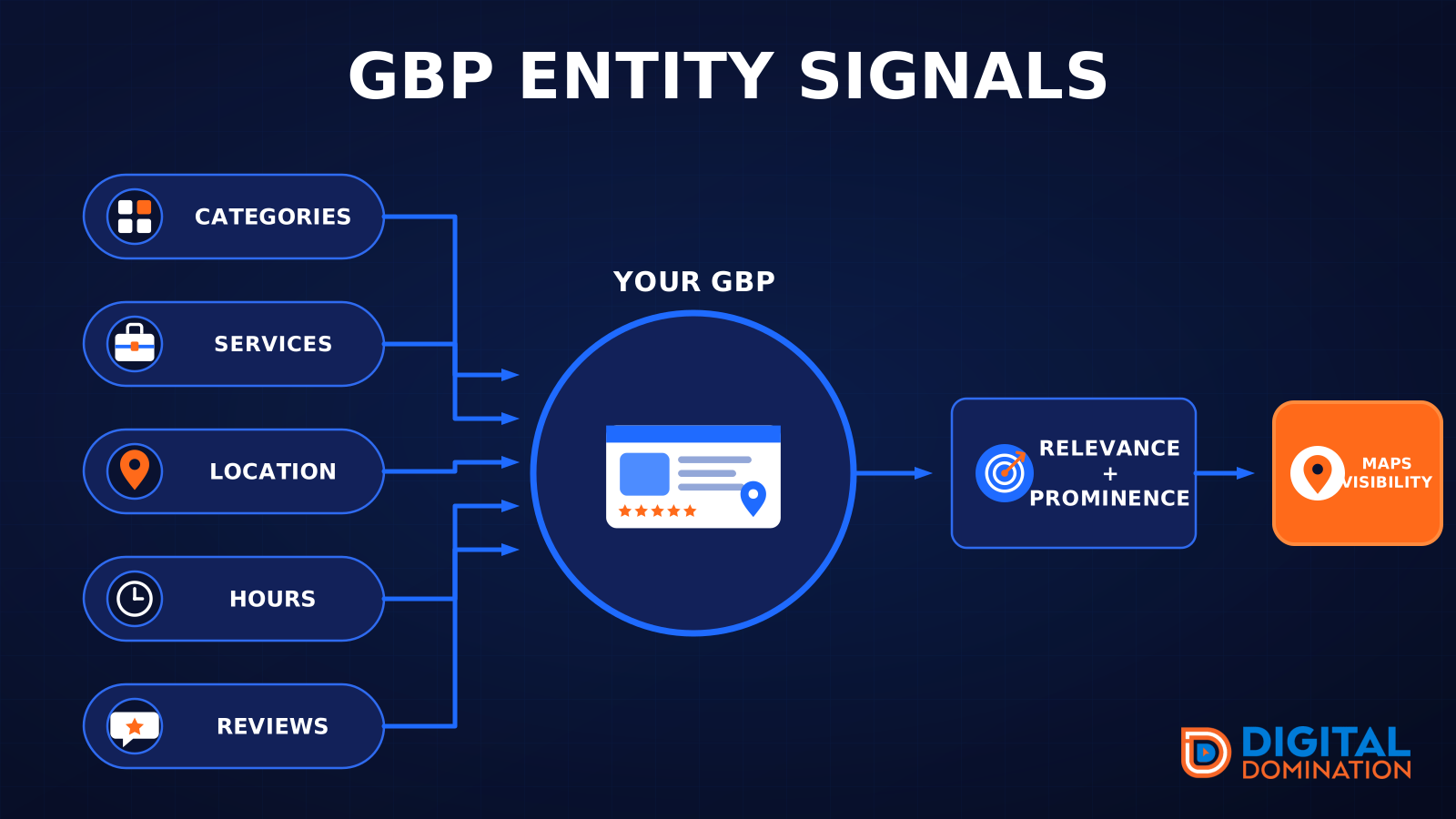
GBP entity signals
This leg is your Google Business Profile. GBP means Google Business Profile. It covers your categories, your services, your location, your hours, and your reviews. Google uses those facts to decide who to show.
Your Google profile is your storefront sign. If the sign is missing, or it names the wrong shop, people drive past.
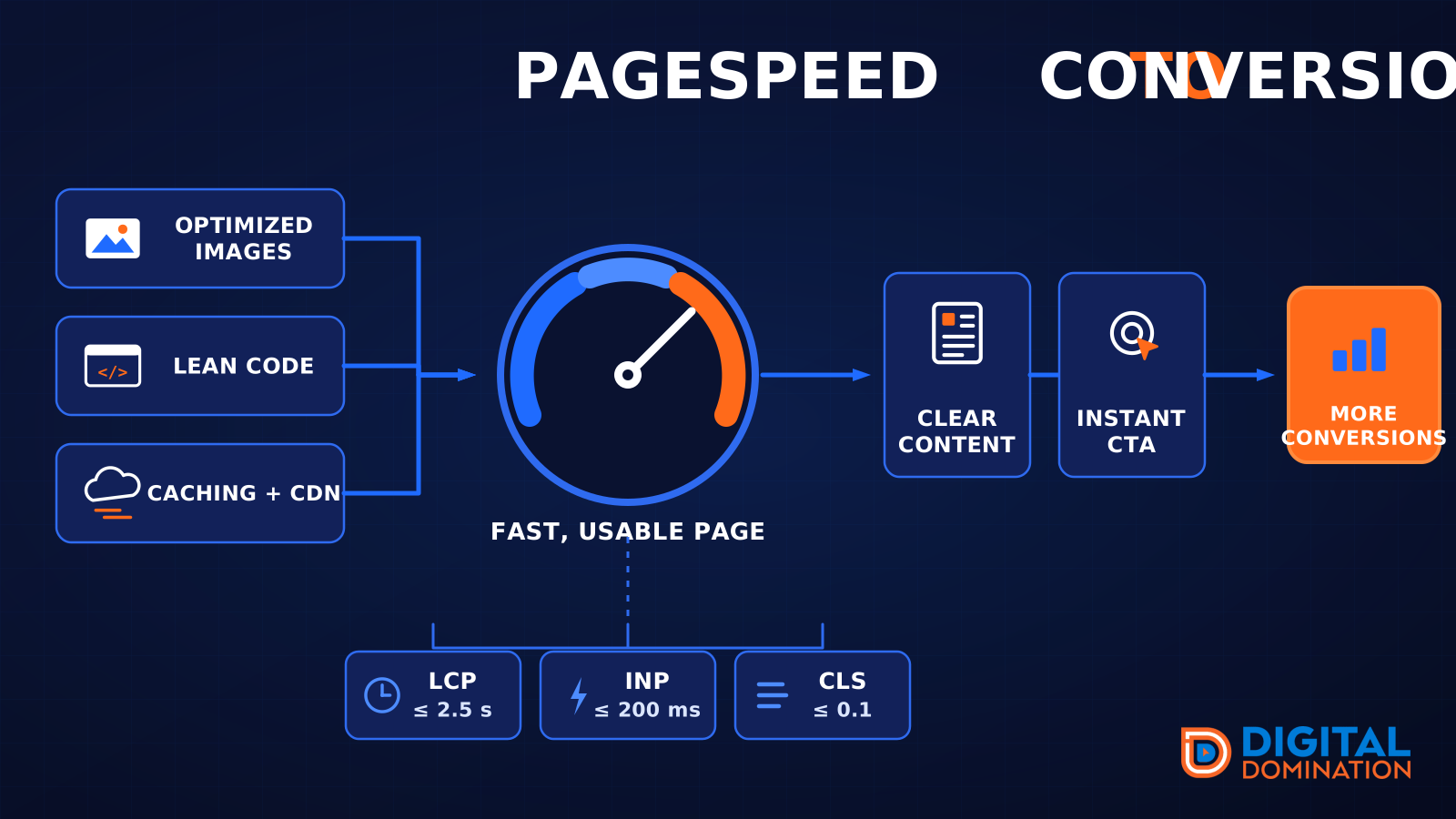
PageSpeed to conversion
This leg is your website, above all on a phone. Small images, lean code, and caching make a page fast. A fast, clear page is what turns a visit into a call. Phone speed is one of the 12 Trinity checks because a slow page loses the call before anyone sees your offer.
Your website is the showroom. If the door sticks, people leave before they look around.
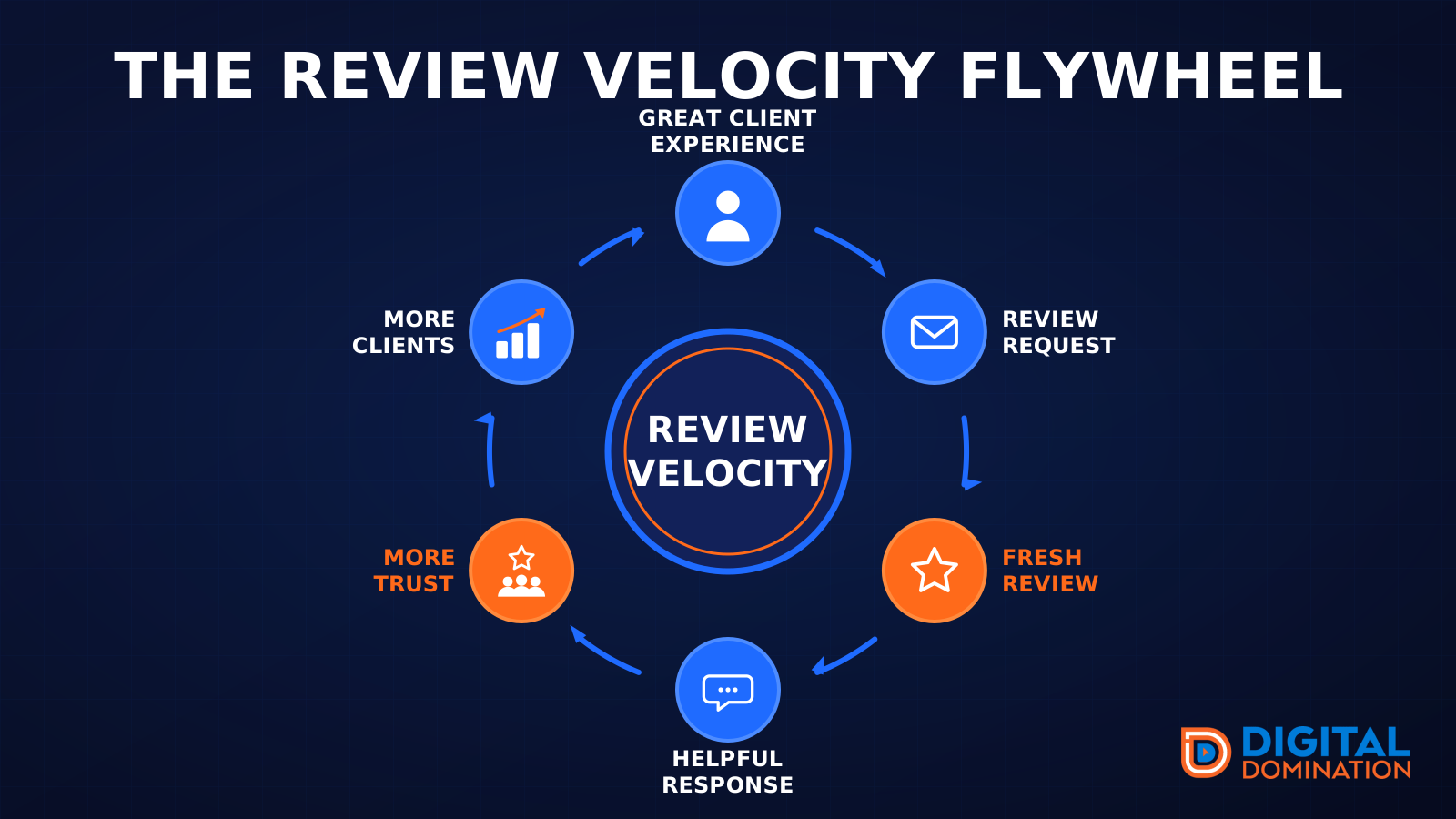
The review velocity flywheel
This leg is reviews and reputation. A good visit leads to a review request, then a fresh review, then a helpful reply, then more trust, then more customers. When the scan can find your Google listing, it shows your rating, your recent reviews, and how many you answered.
Reviews are word of mouth. One kind word helps. A steady stream of real reviews, and a reply from you, helps more.
How this turns into revenue
Being found in more searches leads to more calls. More calls lead to more booked jobs. More booked jobs lead to more revenue.
Example numbers, not a real business: 40 calls from search in a month, a 25 percent close rate, and a $400 average job. That is 10 booked jobs. That is $4,000. The math is the lesson. It is not a promise.
The full page has a box where you can type your own average job value and close rate.
One real story, from our car dealership case study: Medina Auto Group went from invisible on Google Maps to dominating every high-intent search across their market. The turnaround spanned all four of their rooftops at once. The same page says the team eliminated 89 unfair one-star reviews that had been dragging the dealership's reputation down and keeping it out of the Map Pack. It also says: “Results described here are exceptional and non-typical. Outcomes vary based on market conditions, competition, and implementation. No guarantees are made regarding earnings, rankings, or conversions.”
Free strategy call
More booked jobs start with a clear plan
Book a free strategy call. We look at your Google profile, your website, and your reviews, and we tell you what to fix first.
Free. You pick the time. A real person shows up.